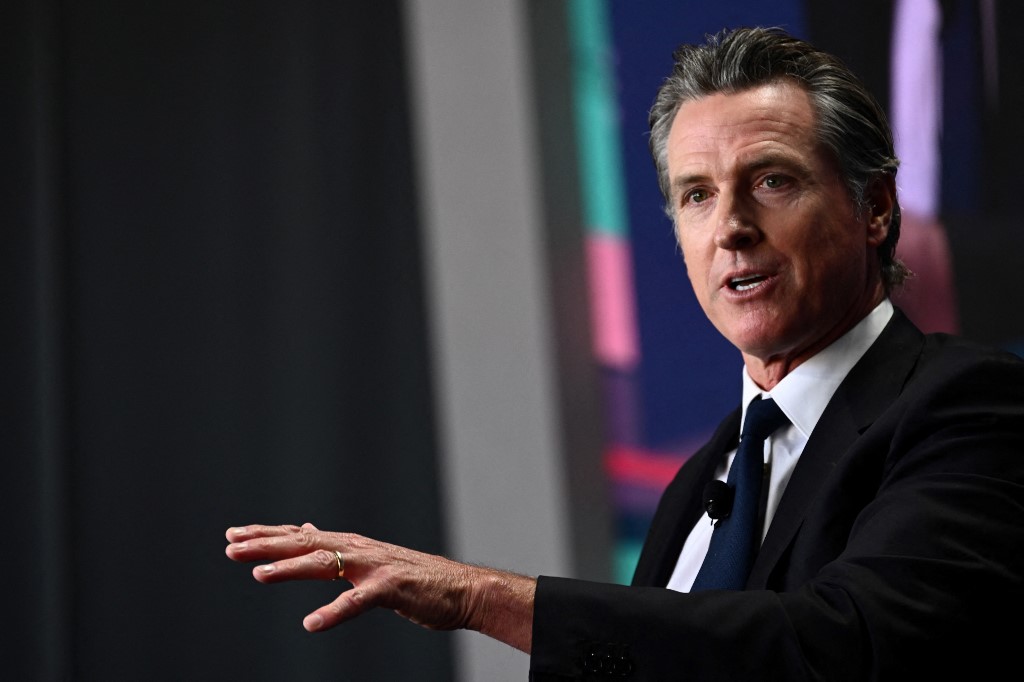
California Governor Gavin Newsom signed A.B. 831 into law, which will ban sweepstakes operators, as well as their payment processors and media affiliates, from conducting business in the Golden State.
The new legislation sends a powerful message that state authorities are committed to protecting their robust tribal gaming market from any outside disruption, especially from online competitors that leverage sweepstakes models.
California Legislature Says No to Sweepstakes
The end was nigh for sweepstakes operators when the California Senate and the State Assembly both unanimously voted to ban sweepstakes in the state. Governor Gavin Newsom simply hammered the final nail in the coffin when he signed the bill into law over the weekend. Lawmakers say the measure closes legal loopholes exploited by online operators offering dual-currency games that critics argue resemble unlicensed gambling.
The law is a sweeping rebuke of sweepstakes operators and any entity attempting to facilitate a dual-currency sweepstakes contest from entering California’s borders. The law, as written, will prohibit any “financial institution, payment processor, geolocation provider, gaming content supplier, platform provider, or media affiliate…” from helping sweepstakes operators offer products to California residents, cutting off both the front-end games and their backend infrastructure.
Jeff Duncan, the executive director of the Social Gaming Leadership Alliance (SGLA), knew the writing was on the wall after one legislative hearing in which he commented, “Today’s hearing exposed the committee’s complete disregard for facts, economic reality, and the voices of tens of thousands of Californians, all to hand monopoly power to tribes that have already invested hundreds of millions of dollars in Las Vegas and California coastal properties.”
California’s gaming tribes make billions of dollars in casino revenue, which they control exclusively in the state, and any entity, like sweepstakes operators, that is impinging on their gambling monopoly is vigorously challenged. Thus, it wasn’t a surprise that the biggest gaming tribes aligned with California legislators to support the recent legislation banning sweepstakes and their facilitators. This alliance between lawmakers and tribal interests has shaped California’s gaming environment for years and remains an influential force in policy decisions.
Tribal Support Remains Critical for Gaming Policy
Native American tribes in the state fiercely defend their exclusive gaming rights, as demonstrated by their investment of hundreds of millions in a 2022 campaign to prevent mobile sports betting companies such as FanDuel and DraftKings from operating within the state. Their coordinated opposition was widely credited with the overwhelming defeat of expansion proposals in the last election cycle, further demonstrating the tribes’ political clout.
When the dust settled, 80% of California voters rejected Prop 27, which would have allowed statewide mobile sports betting. The outcome was seen as a clear mandate supporting tribal exclusivity and was a significant blow to national sportsbook operators with eyes on the lucrative California market.
DraftKings CEO Jason Robins and FanDuel President Christian Genetski appeared alongside tribal leaders in a panel titled “The Power of Partnerships” earlier this year. The mobile sportsbook powerhouses are desperately trying to make amends and come to a resolution that will satisfy the tribes enough to allow these mobile sports betting operators to partner with them in the nation’s largest state, but progress remains slow and uncertain.
However, the California Nations Indian Gaming Association (CNIGA) is treading cautiously and deliberately. Following that meeting, CNIGA released a statement saying, “Let there be no false illusion: establishing an acceptable framework and governance model will take time.” New negotiations and careful political maneuvering are expected to continue well into the next legislative cycle as all sides try to protect their interests.
Although the sweepstakes operators would have welcomed tribal support, only the smaller, non-gaming tribes seemed inclined to support them, assuming they would get a cut of the proceeds. However, it was not enough to tip the scales in their favor, especially given the vocal lobbying from large, established gaming tribes.
A.B. 831 goes into effect on January 1, 2026, and after that, anyone in violation of the law will be subject to a fine of up to $25,000 or up to a year in county jail, or both. The law’s strict penalties reflect California’s ongoing commitment to safeguarding the interests of tribal operators and curbing unauthorized forms of gaming.