Prediction trading markets like Kalshi have caused concern for state gaming regulators and the sportsbooks they govern by operating in those states without a state license. Pennsylvania regulators are seeking assistance from Congress to prevent such operations.
Congressional Lifeline
Prediction markets are posing a “significant threat,” according to Pennsylvania Gaming Control Board (PGCB) Executive Director Kevin O’Toole, to states’ sports betting industries by offering sports event contracts unfettered by state regulators and the licensing policies that must be followed.
Mobile sportsbooks like FanDuel and DraftKings must follow state regulatory frameworks, but trading platforms like Kalshi offer sports event contracts, which are similar, albeit not identical, to wagers placed with a sportsbook.
The battle between state gaming regulators and the trading platforms has been fought in the federal courts, with platforms like Kalshi having legal victories despite receiving cease-and-desist letters from state attorneys general.
The platforms have successfully argued that they are not required to obey state guidelines because they are governed by the Commodity Futures Trading Commission (CFTC), whose authority supersedes state regulators.
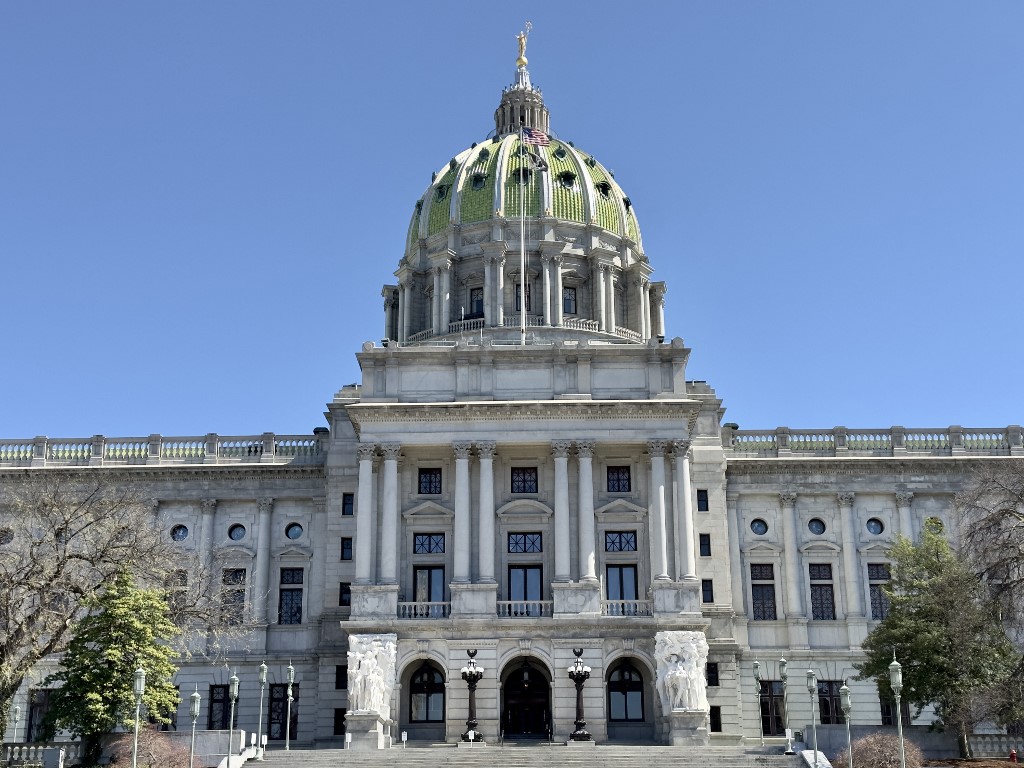
(PGCB) Executive Director Kevin O’Toole believes that this should change and has sent a letter to two U.S. Senators and 17 Representatives requesting their intervention on what he describes as a “jurisdictional clash” between unregulated sports event contract trading platforms and Pennsylvania’s sports betting operators.
“For decades, Pennsylvania has demonstrated its ability to oversee a successful and safe gaming environment,” O’Toole said in the letter. “We urge you to recognize and support the state’s role in this area. Maintaining the integrity of our established regulatory framework is paramount to protecting the public interest, ensuring consumer safety, and safeguarding vital state revenue streams.”
CFTC Out of Its League
The recent overture to Congress by O’Toole is indicative of a nationwide issue that other regulators are having with prediction markets.
They are taking increasing market share away from state-licensed sportsbooks, which will ultimately decrease the tax revenue received by the states. Less revenue by the sportsbooks means fewer taxes for the states.
O’Toole believes the CFTC is not invested in working with state regulators, and it is having a deleterious effect on corralling prediction markets that are not only free to operate in those states in which sports betting has been legalized but also those in which it hasn’t, like California and Texas.
“The CFTC’s framework is designed for derivatives markets often involving sophisticated institutional participants,” O’Tool wrote. “In contrast, state gaming regulators prioritize consumer protection for the public, implementing detailed measures for responsible gaming, age verification, and problem gambling prevention.
This is a legal tussle that has been fought in other jurisdictions, but prediction markets like Kalshi continue to score victories at the federal level. However, it suffered a setback in a Maryland state court.
Whether Congress will become embroiled in this controversy is yet unknown, but Bookmakers Review will continue to monitor this unfolding story and report any recent updates.