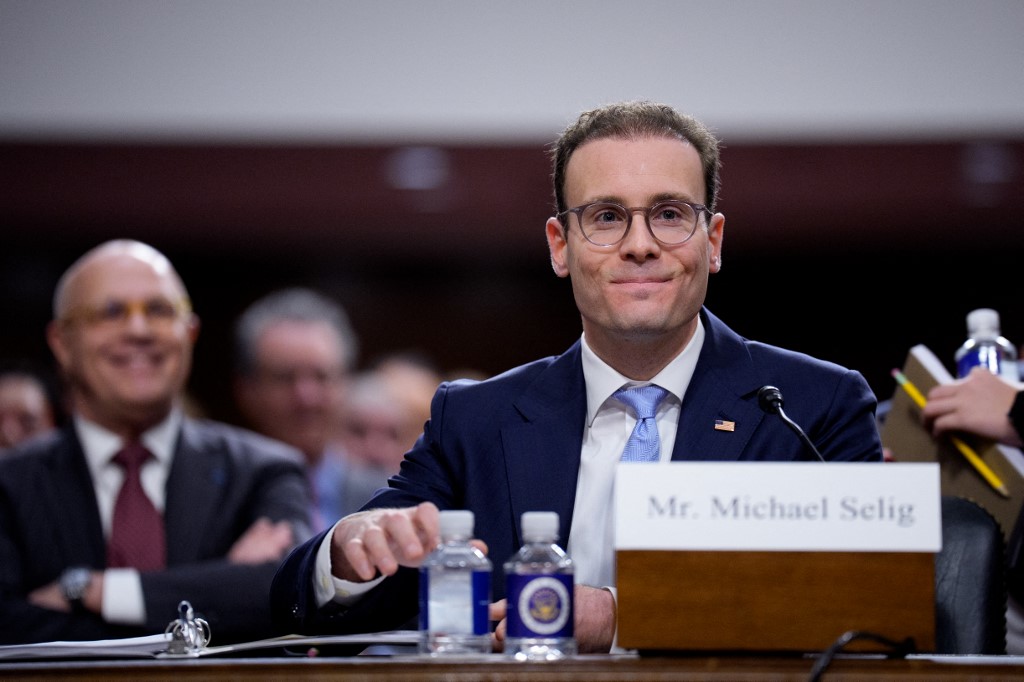
Many state gaming regulators have expected the Commodity Futures Trading Commission (CFTC) to reel in its licensees from offering sports trading contracts throughout the nation. However, the agency has taken an ambivalent approach, and it is not expected to change with the incoming CFTC chairman, Michael Selig.
Sports Predictions Catch Fire in ‘25
One of the most controversial topics in the US sports betting landscape has been the growing popularity of prediction platforms offering sports betting contracts, much as they would futures on gold, silver, or pork bellies. It was simply viewed as another commodity, but one that attracted billions of dollars from sports bettors and increased scrutiny by state gaming authorities.
The advent of prediction platforms trading in sports event contracts occurred shortly before the Super Bowl in February 2025. Bettors could buy a contract on the outcome of a sports event, and its value would ebb and flow with the score of the game. This was different than doing business with sportsbooks, where the bettor locks in their point spreads or moneyline odds when the bet is placed. Thus, futures contracts are dynamic in value, while wagers made with sportsbooks are not.
State Regulatory Pushback
But what has angered the state regulatory agencies is that these prediction market platforms are neither licensed sportsbooks nor do they pay taxes to the state. This has caused the state gaming authorities to issue cease-and-desist orders to industry leaders like Kalshi and ultimately take them to court.
Unfortunately for the state regulatory commissions, the early legal victories have been won by the prediction market platforms that contend they are licensed by the CFTC and that agency’s federal authority supersedes the state’s authority. The federal courts have generally agreed, although there is a pivotal legal showdown in federal court looming in February that could tell the tale as to the prediction market’s life expectancy in the sports betting business.
Hands-Off Approach
The Commodity Futures Trading Commission has decided to stay on the sidelines in the legal battle that has unfolded between its licensees and the state gaming agencies. And if anyone was hoping that approach would change in 2026, they will likely be sorely disappointed.
That is because the incoming chairman, Michael Selig, has publicly stated his intention to let the courts decide without his agency getting embroiled with the simmering legal brouhaha. When Selig was asked about his opinion regarding the prediction markets getting involved in sports event contracts, he chose his words carefully but made no mistake that he planned to follow the current course and keep his federal agency neutral.
“As someone who spent many years practicing law at law firms as well as studying the law in law school, these are complex issues as to the interpretation of what it means to constitute gaming,” Selig said. “And, of course, I have the utmost respect for our judges working on these issues in our court system, and I intend to always adhere to the law and follow what judicial decisions tell me to follow.”
A Supreme Court Showdown Looms
The ultimate judicial decision may lie with the US Supreme Court, as many believe this is where this controversy will likely be solved after contradictory rulings in the state and federal courts.