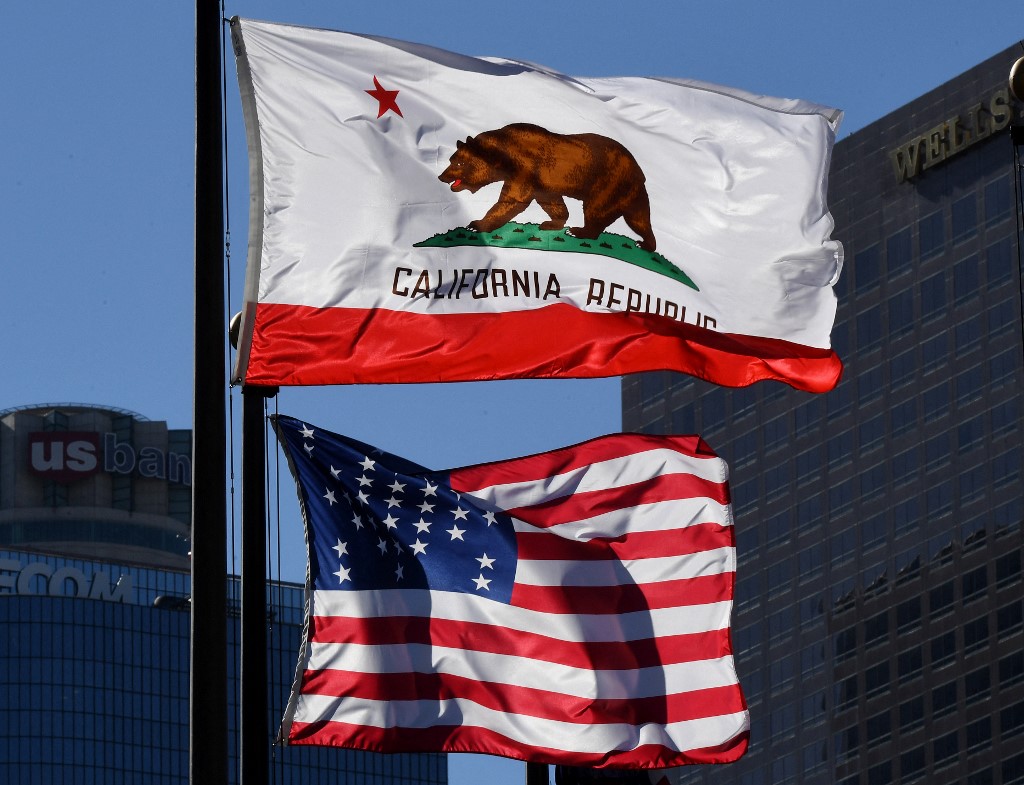
California has always been the holy grail for sports betting platforms, but obtaining tribal approval has been elusive.
However, with the advent of prediction markets and their growing popularity, three of the most popular sportsbooks already have or will soon be launching their own brands and tapping into the Golden State’s sports betting market.
Sports Betting’s Holy Grail Market
In 2022, DraftKings and FanDuel combined to spend around $400 million to back two sports betting propositions passed at the ballot box. However, the gaming tribal nations were equally as adamant that no sports betting in California would be allowed unless they approved it.
Thus, they too spent approximately $400 million of their own money to derail the initiatives, and it worked.
Both sports betting proposals were voted down by Golden State voters, and FanDuel has subsequently come “hat in hand” to the table to try to work with the tribes on a mobile sports betting proposal that makes sense for them.
Frank Sizemore, FanDuel VP of Strategic Partnerships, said this year, “If and when the crowd decides to legalize sports wagering, it’ll be a tribally led initiative. We have no interest in running another initiative. We’ve learned our lesson, and it did not go well.”
For context, New York is the largest legal sports betting market in the nation, but its 19.86 million people are dwarfed by California’s 39.43 million. Imagine the revenue that would be generated by sportsbooks even if the tax rate were as onerous as the 51% that New York is charging.
Sportsbooks Call an Audible
But now they have pivoted to prediction market platforms that are governed by the federal authority of the Commodity Futures Trading Commission (CFTC), in which they do not have to be licensed by state regulators, nor do they have to pay those hefty licensing fees or taxes on their revenue.
Regulators from several states are contesting that authority, but so far, prediction markets like Kalshi have been allowed to operate through various court rulings.
However, it is not settled case law, and many believe that it will ultimately wind up at the US Supreme Court, but that is still years away. The legal battles continue to rage, but three sportsbooks, DraftKings, Fanatics, and FanDuel, have switched sides and are now launching their own prediction platforms in states that do not have sports betting.
That caveat is important because the companies do not want to go to war with the same state regulators that license them; therefore, they have vowed not to launch their prediction markets in those sports betting-friendly states.
Much like mobile sportsbooks, prediction markets offer “investments” on the outcomes of sporting events. But unlike sportsbooks, prediction markets offer contracts whose value ebbs and flows with the game, while wagers with sportsbooks are locked in the moment the bet is placed.
Naturally, gaming tribes from all over the nation are none too happy about prediction markets infiltrating their boundaries. Rodney Butler, chair of the Connecticut-based Mashantucket Pequot Tribal Nation, believes these renegade prediction markets that do not abide by state gaming authorities or pay taxes to the states in which they operate pose an existential threat to the tribes’ gaming businesses.
“These (prediction markets) are going around and putting at risk the $100 million a year that the state is getting from sports betting and iGaming,” Butler said during the National Council of Legislators from Gaming States (NCLGS) meeting earlier this month, “and actually, in fact, putting at risk the billions that the state has received (from casino gaming) over the years, because technically that violates your excluded agreements as well.”