
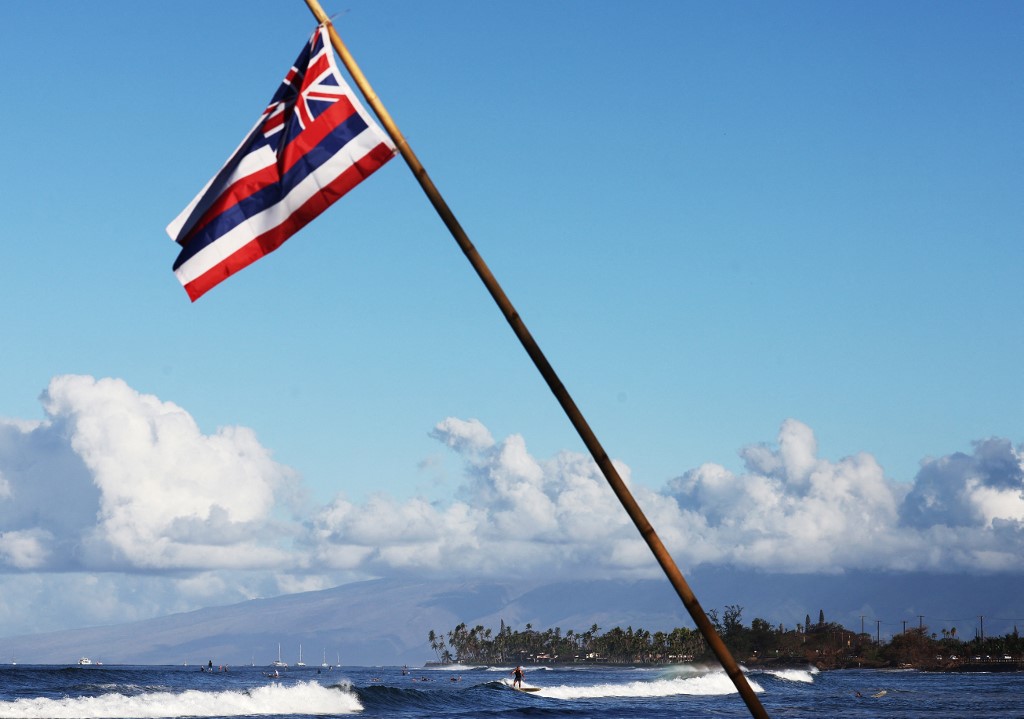
Sports betting has been a hot-button topic that has failed to gain legislative traction in the Aloha State, but it is also one that refuses to go away as the financial appeal continues to intrigue a segment of lawmakers.
While Hawaii residents wait for local regulation, many look to BookmakersReview.com to find and compare the best sportsbooks for U.S. players currently available.
Studying the Issue
The Tourism and Gaming Working Group is a cross-section of gaming industry employees, law enforcement officials, and politicians, which was created to study the pros and cons of potential mobile sports betting Hawaii legislation and the possibility of a casino at the 98-acre New Aloha Stadium Entertainment District.
Despite the failure of Hawaii sports betting bills last year and this year, lawmakers commissioned the study group to ensure they are better informed when the topic inevitably resurfaces next year. The completed report is due before the 2027 legislative session begins, and last week, the group heard testimony from several gambling industry executives.
Tres York, vice president of government relations at the American Gaming Association, said, “Many states use gaming tax revenue to fund education programs or fund infrastructure improvement projects, public safety initiatives, and other priorities important to the citizens of each particular state.”
“Whether or not Hawaii ultimately chooses to authorize any form of gaming, the experiences of the 48 states that have done so can offer valuable lessons in regulatory designs and consumer protection,” added York.
Experts also noted that the gambling industry employs 1.8 million people and generated $125 billion last year, with state governments earning $52 billion from taxes on those profits. It is compelling testimony, particularly when it is estimated that Hawaiians gamble up to $800 million each year with unlicensed sites.
Paul Anderson, Boyd Gaming Senior VP of Industry and Government Affairs, spoke about responsible gambling, stating, “We build relationships with our customers – our bartenders, our waitresses, the folks on the floor – they know our customers. and so, they know when something’s off.”
Sports Betting Schism
Hawaii has two distinct legislative factions regarding sports betting and casino gambling. One side believes the jobs created and the money to be made by legalizing gaming in the state far outweigh any societal ills caused by problem gambling.
The Sports Betting Alliance (SBA), a gaming trade association that represents bet365, BetMGM, DraftKings, Fanatics, and FanDuel, highlighted three primary reasons why sports betting would benefit the citizens of Hawaii:
- It’s already happening. Hawaii residents are betting with illegal bookies and on unregulated offshore sites because there’s no legal option.
- Money is going to the wrong places. Every dollar bet illegally is a dollar lost to bad actors – that’s money that could stay here in Hawaii and be used to fund education, housing, and healthcare.
- Hawaii residents are at risk. Illegal operators offer no age verification, no consumer protections, and no oversight.
However, the opposing faction appears to have more support, as evidenced by the failure of recent sports betting bills to gain traction. There is also a groundswell of public opposition, which was on display earlier this year.
Brandon Maka‘awa‘awa, VP of the Nation of Hawaii, which represents native Hawaiians, is also adamantly opposed, stating, “Online sports wagering does not create jobs, provide revenue back into our communities, or have a lasting economic impact in Hawaii. Almost all activity happens on platforms based outside of Hawaii, meaning revenue leaves the islands while the responsibility for impacts remains in our communities.”
Yet, the sports betting supporters include the governor himself, Josh Green, who said, “Look, as long as there’s some safeguards with gambling addiction services and so on, if the Legislature goes the full way and passes it, I’ll likely let it become law.”