A federal judge has denied an emergency restraining order filed by the NCAA, which would have prohibited the Boston-based bookmaker, DraftKings, from continuing to use its registered trademarks associated with the NCAA men’s and women’s basketball tournaments.
NCAA Says, “Stop the Madness”
The NCAA vehemently objected to DraftKings using its trademarked terms, including “March Madness,” “Final Four,” “Elite Eight,” and “Sweet Sixteen” in its marketing campaigns and promotions. In fact, the organization opposed DraftKings’ language theft so strongly that it made a federal case out of it.
The NCAA contended that the phrases, which are synonymous with college basketball’s premier event, posed a risk of associating its brand with gambling, a risk it has historically sought to avoid. The NCAA has repeatedly lobbied legislatures to prohibit college player props and other gambling-related aspects of collegiate sports.
However, on Friday, a federal judge declined to grant that request, allowing DraftKings to continue using the terminology, at least for now. The decision lands at a moment when the stakes—both financial and cultural— have never been higher.
Industry analysts estimate that Americans will wager roughly $3.3 billion to $4 billion on this year’s tournament through legal sportsbooks alone, a record-setting figure that underscores how deeply betting has become embedded in the sports experience and mainstream culture.
For sportsbooks like DraftKings, March Madness isn’t just another event — it’s a customer acquisition engine. Casual fans flood apps, many placing their first-ever bets, while seasoned gamblers increase volume across the tournament’s plentiful schedule of games.
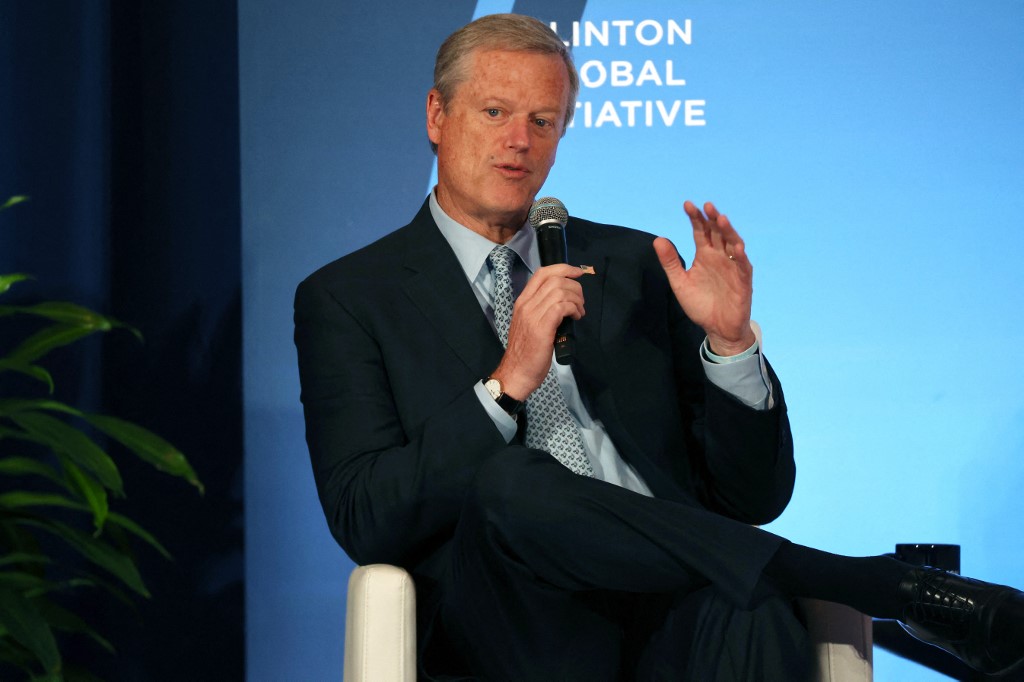
Charlie Baker, the president of the NCAA, has warned that the expansion of betting — particularly prop wagers tied to individual athletes — could threaten the integrity of college sports and expose players to harassment. Its lawsuit against DraftKings is the organization’s latest gambit to distance itself from any association with gambling and those companies that profit from it.
Prediction Panic
Prediction markets like Kalshi and Polymarket are rapidly gaining traction, offering users a way to “trade” on game outcomes in a format that resembles traditional betting under the guise of a financial instrument. State gaming regulators have issued a flurry of cease-and-desist letters, each with varying degrees of legal success.
This week, concerns over those platforms escalated. Critics warn they may be skirting gambling laws entirely, allowing younger users to participate and operating without the same consumer protections required of sportsbooks.
Charlie Baker recently penned a letter to the newly installed chairman of the Commodity Futures Trading Commission, Michael Selig, asking him to install guardrails that will protect both those using the prediction market platforms and the college athletes whose stats are often included as player prop contracts.
“First of all, you can start doing it at the age of 18,” Baker said. “[In] almost every state, you can’t gamble legally until you’re twenty or twenty-one; that’s problem number one. Problem number two is they don’t collect the kind of data that you’re required to collect if you’re a sportsbook.”
Selig has yet to respond to Baker’s correspondence.