Key Takeaways
- NCAA urges regulators to curb microbetting and certain prop bets
- Concerns focus on athlete harassment and game integrity risks
- Proposal could influence future sports betting regulations nationwide
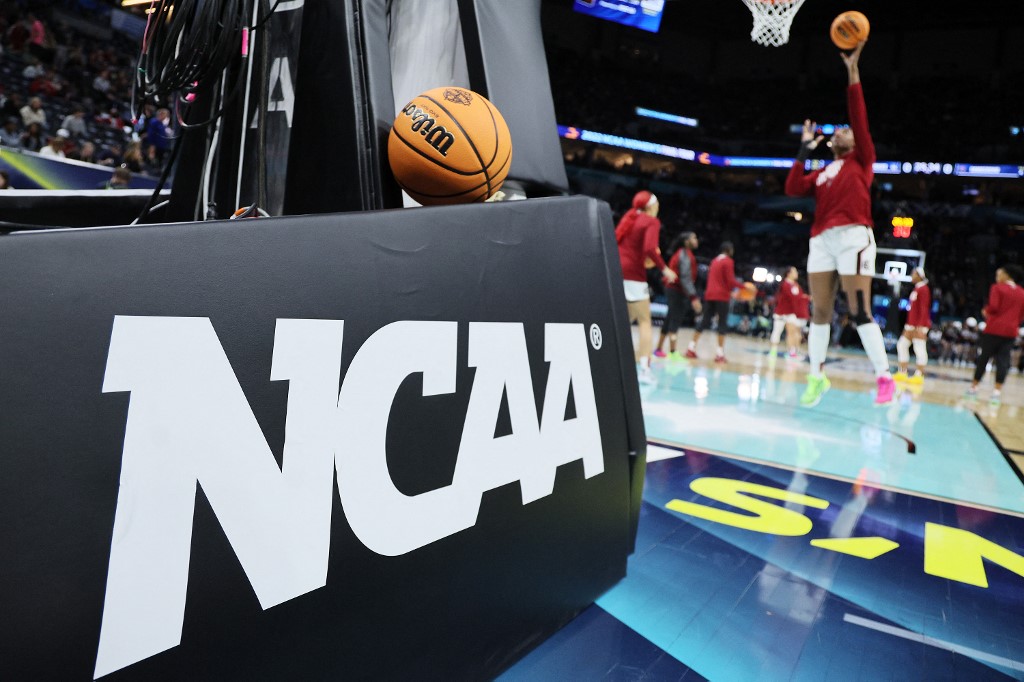
The NCAA is calling on regulators and lawmakers to impose limits on microbetting and specific types of prop wagers, pointing to growing concerns about their impact on college athletes. The organization has raised the issue amid the continued expansion of legalized sports betting across the United States.
According to the NCAA, certain betting formats, particularly those tied to individual plays or player-specific outcomes, present increased heightened risks compared to traditional wagers. The request signals a broader effort to address unintended consequences tied to the rapid growth of the sports betting market.
Focus on High-Frequency and Player-Specific Bets
At the center of the NCAA’s concerns are microbets, which allow users to wager on real-time, in-game events such as the outcome of a single play or possession. These bets are typically fast-paced and repeated frequently throughout a game.
The organization argues that this format can heighten pressure on athletes, as individual moments become directly tied to betting outcomes. Similarly, player prop bets, which focus on individual performance metrics, are seen as creating additional scrutiny around specific athletes.
Officials believe these wagering types may increase the likelihood of targeted harassment, particularly when bets are tied to individual plays or statistics.
Athlete Safety Drives Push for Change
A major component of the NCAA’s position is the well-being of student-athletes. Unlike professional players, college athletes are not compensated in the same way, yet they may still face intense public attention related to betting results.
The NCAA has expressed concern that athletes could become targets for criticism or abuse when outcomes do not align with bettor expectations. This risk is viewed as more pronounced in college sports, where participants may be less equipped to handle such pressure.
By advocating for limits on certain betting options, the organization aims to reduce exposure to these challenges.
Integrity Concerns Remain Central
Beyond athlete welfare, the NCAA has also pointed to integrity issues associated with microbetting. Because these wagers focus on small, isolated moments within a game, they may be more susceptible to manipulation.
For example, a single action, such as a missed free throw or turnover, could influence the outcome of a microbet. Regulators have raised questions about whether these scenarios create vulnerabilities that are harder to monitor compared to traditional betting markets.
As a result, the NCAA is encouraging policymakers to consider how these products are regulated moving forward.
Broader Industry Impact
The NCAA’s position could have implications beyond college sports. As states continue to refine sports betting laws, the treatment of microbets and prop wagers may become a key area of focus.
Some jurisdictions have already begun reviewing the role of player-specific betting markets, particularly in relation to college athletics. The NCAA’s recommendations may accelerate these discussions and influence future policy decisions.
Operators, in turn, may need to adjust their offerings if new restrictions are introduced.
What Comes Next
Regulators and lawmakers will ultimately decide whether to implement changes in response to the NCAA’s concerns. Discussions are expected to continue as stakeholders weigh the benefits of expanded betting options against potential risks.
In the meantime, the NCAA is likely to remain active in advocating for measures it believes will protect athletes and preserve the integrity of college sports. This comes after Washington recently allowed wagers on in-state college teams.
Final Takeaways
The NCAA’s call for limits on microbetting and player prop wagers highlights growing concern over how certain betting formats affect college athletics. The organization is pushing for regulatory changes aimed at reducing risks tied to athlete treatment and game integrity.
The outcome of these efforts could shape how sportsbooks structure their offerings, as well as how regulators approach emerging betting products in the evolving sports wagering landscape.