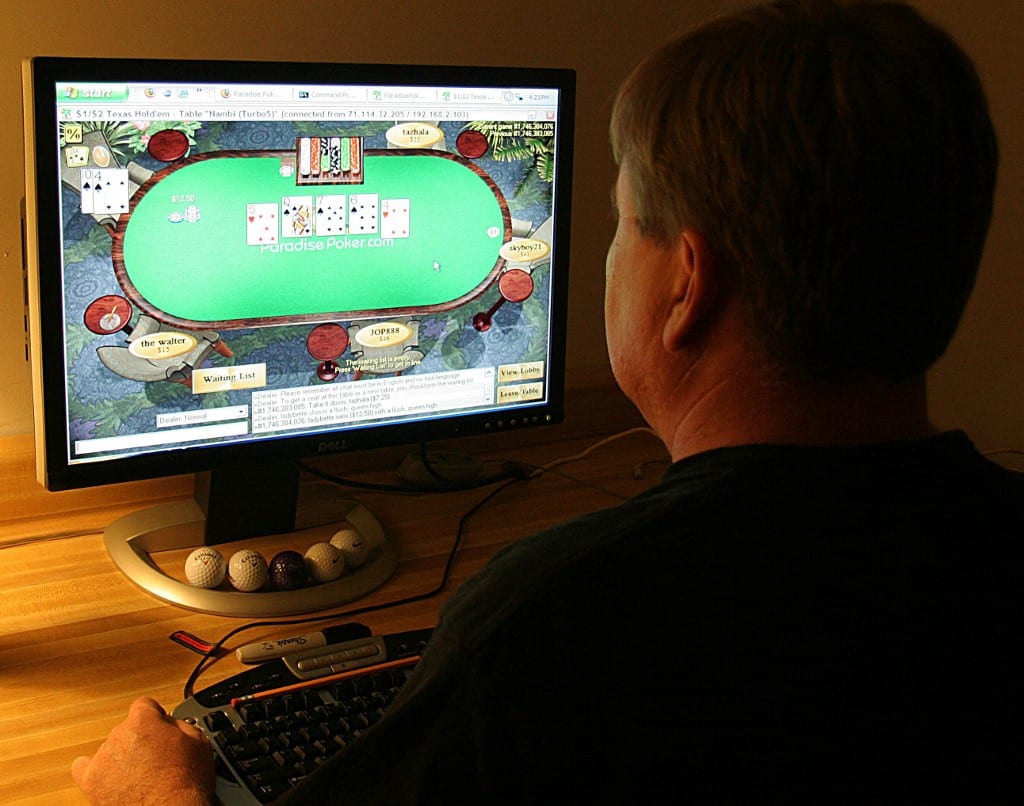
A pair of companion bills designed to introduce iGaming in Maryland is under consideration as a means to narrow the increasing debt facing the Old Line State. However, similar measures have previously failed, but supporters argue that the time is now to launch what would likely be a significant revenue generator, especially given the recent trends in other states where iGaming has successfully increased state revenues.
Let the Voters Decide
Maryland state Senator Ron Watson (D) from Prince George’s County has climbed back in the legislative ring to take another swing at bringing online casino gambling to the masses. This will be the third consecutive year he has attempted to do so, and he has a pair of companion bills that would facilitate that result.
Watson has introduced SB 761 and SB 885, with the former bringing a constitutional referendum to the ballot box in November, allowing Maryland voters to decide. Should it pass, the latter would provide the regulatory framework required to launch the industry.
Polling Shows Strong Opposition
However, an October 2025 poll conducted by Lake Research Partners for the National Association Against iGaming revealed that 71% of the Maryland respondents were against iGaming, which is an ominous sign for the chances of the bills passing during this legislative session. However, Senator Watson remains resolute, asserting that addressing the state’s $1.5 billion debt requires a different approach than simply raising taxes.
“We can’t raise taxes all the time, right? We have to do better. We can’t increase fees all the time; we have to do better,” said Watson. “And we can do better if we think outside the box and stop burying our heads in the sand and do what other states around us are doing.”
Education Would Receive Most Revenue
Under Watson’s bill, Maryland’s Blueprint for Education would be the primary beneficiary, receiving roughly 93% of the revenue with 1% earmarked for problem gambling resources, 1% to Maryland’s Lottery and Gaming Commission, and 5% directed to local education districts.
Opposition Mounts
Two of the biggest reasons why iGaming fails in the legislature are that opponents warn of the increase in problem gambling due to people having access to a 24-hour virtual casino while others believe it would decrease revenue and create job losses at the state’s land-based casinos.
Bobbi Jones, general manager of Ocean Downs Casino in Worcester County, stated, “Maryland’s gaming industry was built to support jobs, tourism, and local communities. iGaming shifts gambling to phones and living rooms while putting those jobs and community investments at risk. That’s not the direction Maryland should take.”
Worcester County Commissioners echoed those sentiments in a letter sent to state lawmakers. Eric Fiori, Worcester County Commission Vice President, stated, “They [Ocean Downs Casino] spent money to invest in Worcester County. And in turn we want our folks to spend money there, as well as tourists, and then that can come directly back to the community. We don’t want anything to damage that relationship.”
Local Revenue Concerns Drive Resistance
Since opening in 2011, Ocean Downs Casino has generated $46 million in tax revenues for the county, and local authorities are wary that this number could plummet with the arrival of online casino gambling throughout the state.
SB 855 has cleared the first legislative hurdle and has been referred to the Budget and Taxation Committee. However, there is still a long way to go before it reaches the desk of Governor Wes Moore for his signature. Should the bill pass, it would take effect on July 1, 2026, and then ultimately be decided by the voters in November.