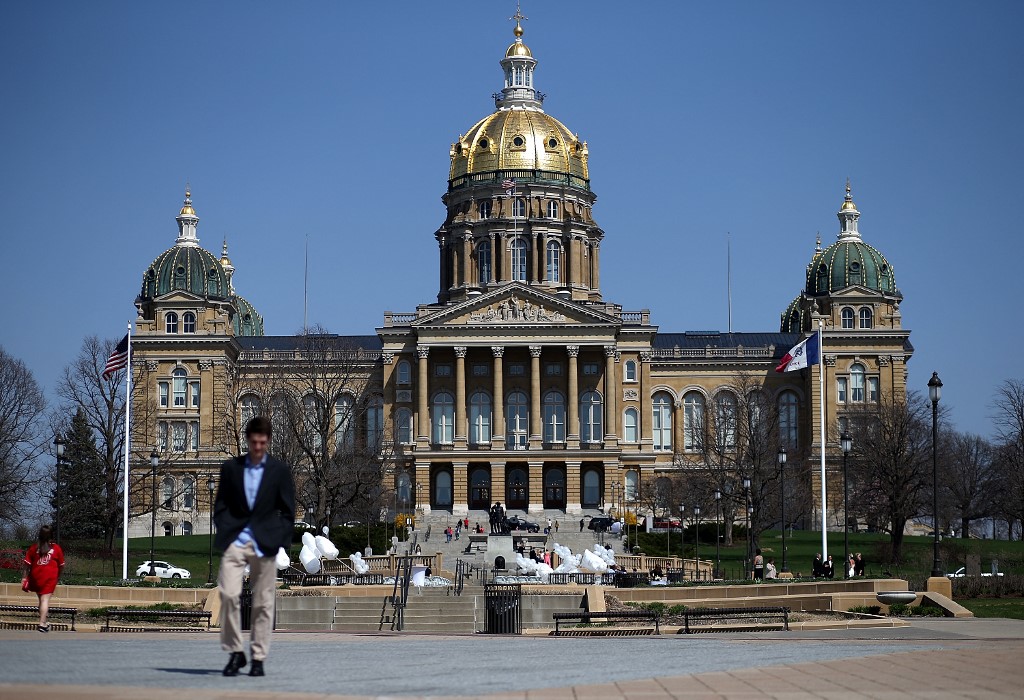
Senate File 2085, sponsored by Senator Mike Klimish and referred to the Ways and Means Committee on January 21, would require prediction market operators to obtain state permits and pay substantial fees and taxes on their generated revenues.
Taking Control of Prediction Platforms
As states across the nation move to restrict or eliminate prediction markets, Iowa legislators are taking a different approach by proposing a state regulatory framework to bring the industry into compliance with licensing protocols and tax guidelines.
The bill defines “event-driven contracts” as binary financial products based on the outcome of events such as elections, legislative actions, sporting events, or economic indicators. Only federally regulated contract markets would be eligible to apply.
The proposal explicitly excludes horse and dog racing, fantasy sports contests, and traditional sports betting already authorized under Iowa law.
General Picture
Under SF 2085, prediction markets could not operate in Iowa without a state-issued permit. Operators would need to submit an electronic application to the Department of Revenue that includes basic business information and required documentation.
The bill stipulates that the initial permit fee would be $10 million, with renewal fees of $100,000 each year. Permits would expire annually on June 30, meaning operators would need to stay up to date on filings and payments to keep operating.
In addition to licensing costs, the state would also levy a 20% tax on adjusted revenue on prediction markets. Any taxes derived from that pool would be deposited into the state’s general fund.
New Rules Apply
Senator Klimish’s bill would also treat winnings from event-driven contracts as taxable income in Iowa. Operators would be required to withhold state income tax on gains exceeding $600 and direct those funds to the Department of Revenue.
As a result, traders would automatically fall under both state and federal tax obligations, with operators acting as the tax collection intermediary.
SF 2085 further alters how these contracts are treated for state tax. The federal Section 1256 tax treatment typically applied to certain derivatives would not apply in Iowa. Instead, taxpayers would be required to recompute gains and losses, adding back all profits while limiting loss deductions to 90% of gains.
Crack Down on Unlicensed Platforms
If enacted, the bill’s provisions would apply retroactively beginning January 1, 2026, requiring both operators and traders to calculate their tax obligations from the start of the year.
Klimish’s proposal represents Iowa’s second major gambling-related initiative this year. In parallel with efforts to regulate prediction markets, state regulators are also seeking expanded authority to crack down on unlicensed platforms targeting Iowa residents.
A separate measure filed ahead of the 2026 session would grant the Racing and Gaming Commission the power to issue cease-and-desist orders and pursue injunctions against operators operating outside the state’s licensing framework.
Currently, the commission’s authority is limited to businesses it licenses, forcing it to rely largely on consumer warnings when unregulated platforms enter the market. Commission administrator Tina Eick has urged lawmakers to strengthen enforcement tools, warning, “When Iowans gamble on unlicensed platforms, they’re putting their money and their personal information at serious risk.”