
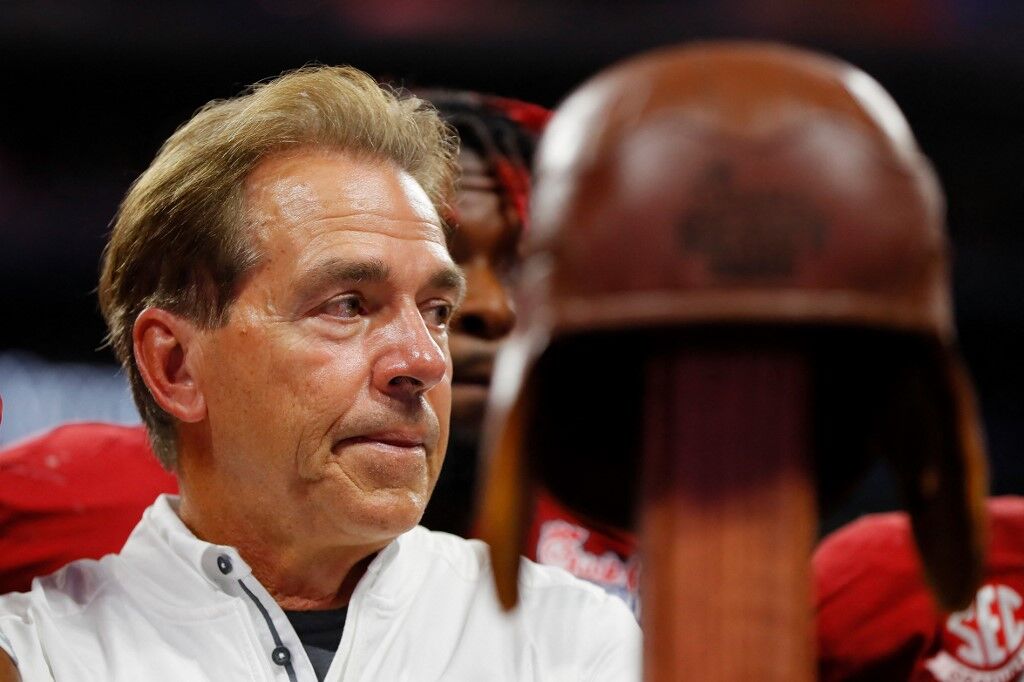
Nine a.m., a Wednesday in June. The most influential men in a multi-billion-dollar sport are about to raise their right hands in a marble room that smells like cold coffee and old money. Nick Saban sits at the witness table: the GameDay suit, the Trump commission co-chair, the nearest thing college football has to a founding father. Notre Dame’s athletic director is here. A Pac-12 commissioner is here, presiding over a league most fans forgot still has a pulse. A kid from Utah who actually plays the game is here too, which is either the entire point or a tidy piece of set dressing, depending on who you ask.
Protect College Sports Act Explained: Will the Bipartisan NCAA Bill Pass?
They came to argue over 111 pages of legislative language with a name that reads like a campaign slogan: the Protect College Sports Act. Protect it from what, exactly? From everyone in the room, mostly. The dirty truth of this hearing is plain. College sports don’t need defending from their enemies. It needs defending from itself, and from the suits who got fat pretending the whole thing was still amateur. Charlie Baker, the man running the NCAA, pegged the odds of this becoming law at 50-50. In this town, on this calendar, that counts as optimism. So here’s the bottom line before we go a step further: this fight is about money and control, not kids, and however it breaks, it lands square on the futures you bet every fall.
Bookmakers Review may earn a commission when you sign up through links on this page. It never costs you a dime extra, and it never sways our ratings. We grade these books the same way whether they pay us or not.
What Just Happened on Capitol Hill
Picture the split screen. Out in Oklahoma City, a national champion gets crowned at the Women’s College World Series, Texas versus Texas Tech, two rivals swinging for a title. At eight campus sites, baseball parks pack out with crowds chasing a ticket to Omaha. That’s the sport people fell in love with. Sweat, dirt, kids who mean it.
Then there’s Washington. Inside a Senate Commerce Committee room, a different contest tips off. This one runs more than two hours, and it might be the loudest of the dozen-plus hearings held on this mess since 2020. The bill on the table comes from Senators Ted Cruz and Maria Cantwell, the Cruz-Cantwell bill everyone’s been waiting for. They call it the most sweeping piece of college sports legislation the NCAA’s seven-year lobbying push has produced. Plenty of insiders think it’s got the best shot to actually pass.
The Big Ten and SEC have come out against the Protect College Sports Act as drafted. Senate hearing set for tomorrow.
“It also shifts the ongoing rulemaking to Congress, limiting the ability to adapt quickly.”https://t.co/phFv7uH6hW pic.twitter.com/ZUgnOODMvi
— Pete Nakos (@PeteNakos) June 2, 2026
The Witness List: Why Saban Is the Headliner
Nick Saban needs no setup. Six-plus titles at Alabama, now an ESPN fixture, and a co-chair of the President’s Commission on the sport. When he talks, senators lean in. Cameras too.
Around him sat the rest of the slate:
- Pete Bevacqua, athletic director at Notre Dame, a school that guards its independence like a family recipe.
- Teresa Gould, commissioner of the Pac-12, is running a league that survived realignment by the skin of its teeth.
- Gordon Gee, president emeritus at West Virginia and a onetime boss at Ohio State, a man who’s seen every version of this circus.
- Lance Holtzclaw, a football player from Utah, the lone voice in the room who still sweats for a paycheck the size of a scholarship.
One athlete. Four executives and a coach. That tells you who this show is really for.
What Is the Protect College Sports Act? The 60-Second Version
Strip away the speeches. What does this thing do?
The bill hands the NCAA something it’s chased for years: a federal rulebook with legal teeth. Right now, the sport runs on a patchwork of state laws, court rulings, and settlements that contradict each other daily. This legislation would wipe out a chunk of that and swap in one coast-to-coast standard. Stability, in theory. Control, in practice.
NIL, Transfers, and the Revenue Share in Plain English
Here’s the meat of it:
- NIL goes federal. A single rule for name, image, and likeness money, replacing the fifty-state scramble. Agents get licensed. Their cut gets capped.
- The transfer portal gets a leash. A one-time transfer rule, enforceable, with a few carve-outs. Hop once, you’re free. Hop again, prove your case.
- Five years, then you’re done. A clean five-year eligibility window. No more lawsuits to squeeze out a seventh season.
- The athlete revenue share cap gets locked in. The bill cements the House settlement, the deal that lets schools pay players directly. Think north of twenty million per school next year, with a path to climb.
- Pros stay out. No ringers in shoulder pads. The pay window comes with guardrails.
The Antitrust Trade: What the NCAA Gets and Gives
So what’s the swap? The NCAA gets narrow NCAA antitrust protection. Legal cover to enforce the transfer rule, the eligibility window, and that salary ceiling without getting sued into oblivion every Tuesday.
Sounds like a clean win for the bosses, right? Here’s the catch. This is where the bill splits from the dead SCORE Act. That earlier model let the NCAA and conferences write their own rules and then shielded them. This one only shields the rules baked into the statute. Want to change something later? Pack a bag for Washington and start lobbying both chambers all over again.
The athletes didn’t walk away with empty pockets. Cantwell carved in a private right of action, so players can sue if they think the NCAA breaks the law. Whistleblower coverage, too. The bill stays mum on whether athletes count as employees, punting that grenade down the road. And it spins up a committee to study who should run the sport long term. Translation: Maybe the NCAA shouldn’t be holding this gavel at all.
The Fault Lines: Who’s Mad, and Why That’s a Good Sign
Want to know if a bill matters? Count the enemies.
This one’s got a packed roster of them. The players’ side hates it. The Olympic folks are nervous. Progressives smell a giveaway. The two wealthiest leagues in the sport have gone silent, which in Washington is its own kind of scream. One operative who’s worked these fights put it bluntly: when everybody finds something to despise, you’ve usually landed on a genuine compromise. By that math, this thing’s got legs.
The SEC and Big Ten Problem
Follow the cash, and you’ll find the war. The bill slams the door on more expansion. No super-league megamerger. And it dangles a voluntary path for FBS schools to pool their TV rights and sell them as one fat package.
The SEC and Big Ten want no part of that. Why split the pot when you’re already winning? The pooling only triggers if 75 percent of FBS, roughly 104 teams, opt in. The SEC, the Big Ten, and Notre Dame, about 35 schools, can lock arms and bury it.
This is the heart of the matter. The SEC Big Ten revenue gap keeps widening. Projections put those two leagues as much as forty million dollars per school ahead of everyone else within a few years. The ACC and Big 12 are watching that chasm open under their feet. No shock, then, that the Big 12, ACC, and American commissioners fired off letters backing the bill. So did a pile of presidents and trustees. Notice who barely signed? The SEC and Big Ten. One of those friendly letters even listed LSU’s president as a supporter, until he told reporters he never signed off. Petty? Sure. Tells you how raw this gets. Greg Sankey, the SEC chief, played it cool, basically daring anyone to explain why you’d write a law aimed at a league for doing things well. Cantwell’s reply, roughly: nobody gets to run off with all the eyeballs and the revenue and leave the rest of the sport broke.
The Players’ Side: A Trojan Horse
Now flip to the other corner. The people who actually wear the jerseys aren’t cheering.
Player advocates see a cage. The transfer leash limits movement. The salary lid caps what athletes can pocket. Ramogi Huma, who runs the National College Players Association, didn’t soften it. He called the bill a Trojan Horse aimed at athletes’ rights.
The Olympic movement raised a hand too. The United States Olympic and Paralympic Committee sent a worried letter, and their gripe is sneaky-important. Those promised protections for women’s and non-revenue sports? They only switch on if schools pool their media rights. No pooling, no guarantee. The scholarships and roster spots that feed Team USA could hang in the wind.
The politicians can’t even agree on which direction to be angry. Senator Chris Murphy says the bill coddles the executives and squeezes the kids. Two House Republicans, Guthrie and Walberg, say it’s too soft and want it to flatly forbid athletes from ever being labeled employees. Left, right, nobody’s happy. Funny how that works.
Does It Have a Chance? The Vote Math and the August Cliff
So will the Protect College Sports Act pass? Maybe. Charlie Baker and his NCAA brain trust put it at 50-50, and that might be generous.
60 Votes, Seven Democrats, One Filibuster
Senate math is brutal. You need 60 votes to break a filibuster, not a bare majority. The bill leans bipartisan, Cruz and Cantwell out front, and Senator Chris Coons signed on. Even so, supporters have to wrangle seven Democrats to get there. Cantwell and Coons make two. Five more have to bite. Clear that bar, and the bill still has to survive a Republican-run House. Two mountains, not one.
The Real Clock: Recess, Then Midterms
Here’s what actually decides this. Not the suits. The calendar.
Committee markup could land as soon as next week, where members redline the text and vote it forward. Pass that, and a floor vote might squeeze in before Congress bolts for its month-long August recess. Miss that window, and you’re cooked. After August, lawmakers shift into campaign mode for the November midterms, and Capitol Hill stops doing serious work. Flip the House blue in that election, and this bill likely vanishes into a drawer for good.
One thing greases the wheels: the President wants it. The White House says Trump’s been leaning on Congress to lock in permanent reform, and his people like where this is heading. There’s a rare patch of common ground in that building, too. Republicans and Democrats can’t agree on lunch, yet they share one feeling about the NCAA. They can’t stand it. That mutual disdain is exactly why college sports reform keeps getting a seat at the table.
Why Bettors Should Be Watching This Hearing
You’re not a lobbyist. You’re here to bet. So why should a Senate hearing move your needle? Simple. Rules shape rosters, rosters shape lines, and lines shape your stack.
How Roster Stability Reprices the Board
The last three years turned college football into a roster casino. Stars hit the portal on a whim. Whole depth charts rebuilt overnight. Great for chaos, murder on a handicapper trying to set a win total.
Picture it. You bet a team’s season over in July. By August, their quarterback bolts for a fatter bag at a rival, and your ticket’s toast before kickoff. That’s the current circus.
Now drop a leash on transfers and a hard clock on eligibility. Rosters hold together. Coaches stick around longer. The board gets calmer and more honest. Calmer means tighter. Tighter means thinner margins for anyone trying to print money off pure pandemonium. Freeze realignment on top, and even the schedules quit shape-shifting season to season.
The Editorial Take: Stability Is a Double-Edged Sword
Time to call it straight. Strip the branding off the Protect College Sports Act and it looks less like a shield for athletes and more like a cartel scrambling to save itself. The NCAA and the leagues falling behind want Washington to do what they can’t do on the field: stop the SEC and Big Ten from owning the entire sport.
That’s the engine under the hood. Competitive balance is the marketing. Money and control are the product.
Is that automatically villainous? No. A sport where two leagues hoard every blue-chip recruit and every TV dollar isn’t much of a sport. There’s a fair case that somebody has to referee the runaway train. Cantwell makes it. So do the Big 12 and ACC chiefs who’d kill for a lifeline.
But dress it up however you like, the athletes remain the smallest voice in a room jammed with executives haggling over their labor. The kid from Utah got one seat. The suits got the rest. Hold onto that the next time someone on TV swears, this is all for the players.
For you, the bettor, the takeaway cuts two ways. A steadier sport reads cleaner on the board. That pays the patient and bleeds the lazy.
The Bottom Line: What to Watch Next
So where does this leave us? On a knife’s edge, with a clock ticking.
Watch three things. First, next week’s markup. If the committee guts the bill or stalls out, momentum dies fast. Second, that August deadline. No Senate vote before recess, and the odds crater. Third, the silence from the SEC and Big Ten. The day those two leagues speak, you’ll know which way the wind’s blowing.
Until then, keep your eyes on the futures board and your funds in check. The smart move isn’t betting the bill itself. It’s reading how the sport reshapes around it, then pouncing when the lines lag the news. Bookmark our sportsbook reviews, line up your books, and stay ready.
Frequently Asked Questions
What is the Protect College Sports Act?
It’s a Senate bill from Ted Cruz and Maria Cantwell that would set one rulebook for college sports, covering NIL pay, transfers, eligibility, and a player salary cap, and hand the NCAA some legal protection to enforce it.
Will the Protect College Sports Act pass?
NCAA president Charlie Baker pegs the odds at 50-50. It needs 60 Senate votes, seven Democrats among them, and has to clear both chambers before the August recess and the midterm scramble. Tight, but alive.
How does this legislation affect sports betting?
Stable rosters make teams easier to handicap, which tightens lines and shrinks soft spots. If the bill stalls and portal chaos rolls on, expect wilder swings and fatter value for bettors who pounce fast.
Why do the SEC and Big Ten oppose it?
The bill blocks further expansion and pushes an opt-in plan to pool TV money, which threatens the outsized financial lead those two leagues hold over everyone else.
Who actually supports it?
The Big 12, ACC, and American commissioners, a long list of presidents and trustees, and President Trump, who has pressed Congress for lasting college sports reform.
*The line and/or odds on picks in this article might have moved since the content was commissioned. For updated line movements, visit BMR’s free betting odds product.


