
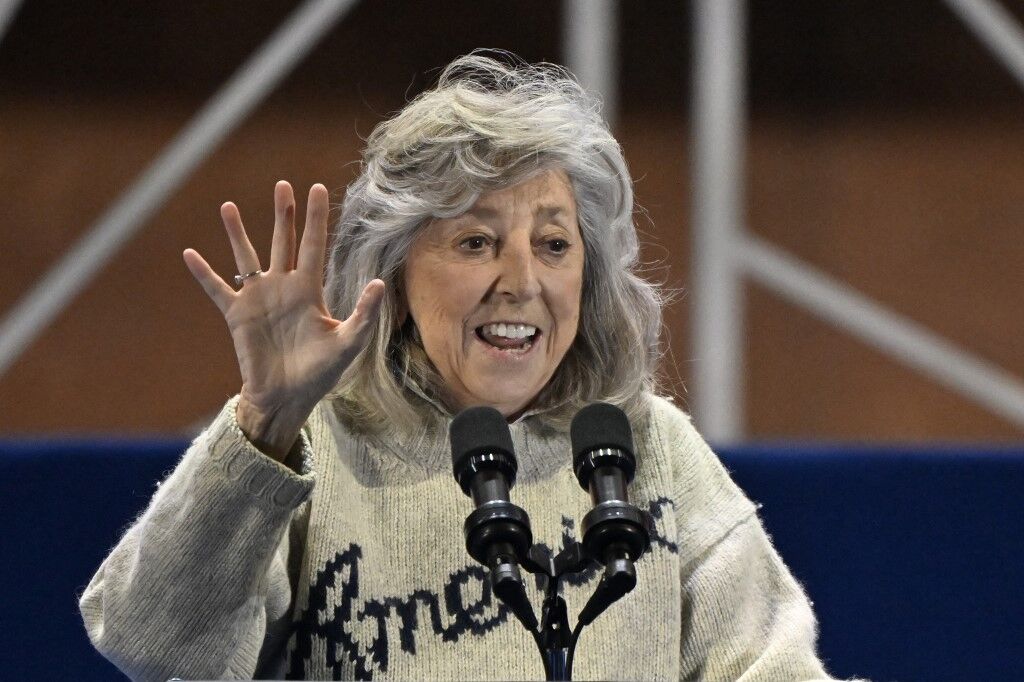
US Representative Dina Titus of Nevada took verbal aim at the Commodity Futures Trading Commission for endorsing sports event contracts being offered by their prediction market licensees, like Kalshi, at the expense of the states’ mobile sportsbooks, which serve as some of the best sportsbooks for U.S. players.
Prediction Market Cronyism
Nevada’s vocal congresswoman, Dina Titus, took to X to express her outrage with the CFTC and its support of prediction markets that are offering sports event contracts, making waves across sports betting news.
“The [CFTC]’s proposed rule reinforces its failure to respect state and tribal sovereignty,” Titus said on Thursday afternoon. “Arguing that sports event contracts are anything but sports betting is pure fiction.
“Rather than confronting that reality, the agency appears more interested in cozying up to [President Trump’s] family interests. Congress must put an end to this blatant corruption and pass my Fair Markets and Sports Integrity Act.”
The insinuation that the CFTC is doing President Trump’s bidding was clear, considering his son, Donald Trump Jr., serves as an adviser to both Kalshi and Polymarket. Sports event contracts contribute approximately 87% of Kalshi’s trading.
Representative Titus has a comrade-in-arms with the American Gaming Association (AGA), a leading trade group for the gaming industry. Its CEO, Bill Miller, has not been shy concerning his thoughts on the prediction platforms operating unfettered throughout the nation.
“This is a remarkable attempt to redefine what constitutes sports betting,” said Miller. “It makes a mockery of congressional intent while going against a bipartisan coalition of 41 Attorneys General, countless legislators across the country, and the 81% of voters who recognize that the so-called ‘prediction markets’ are backdoor sportsbooks evading state and tribal law.
“The consequences are real. Prediction markets’ evasion of state and tribal laws is estimated to have already cost communities across the country more than $1 billion in sports betting tax revenue, hurting critical local projects. This siphoning will intensify as prediction markets continue refusing to comply with state and tribal law.”
The Battle Rages
Prediction markets have been offering sports event contracts for approximately 16 months, originating shortly before the 2025 Super Bowl between the Eagles and the Chiefs. The momentum has been building ever since, along with the legal battles that have been escalating between the prediction platforms and state gaming regulators.
Companies like Kalshi and Polymarket operate nationwide under the federal regulatory authority of the Commodity Futures Trading Commission (CFTC). They do not pay state taxes, nor are they obliged to follow any rules except those stipulated by the CFTC.
This has infuriated state gaming commissions and their respective attorneys general, in addition to legislators from states that have not passed mobile sports betting. The major issue being litigated is whether the state or the feds have jurisdiction. Conflicting rulings at the state, federal, and appellate courts have kept the legal war raging with no end in sight.
The CFTC had remained neutral until the recently installed chairman, Michael Selig, took charge earlier this year. During his nomination hearings, he indicated the CFTC would remain neutral under his watch and would leave it to the courts to decide.
However, he has changed his tune quite a bit and is now throwing the full weight of the federal agency behind his prediction market licensees and has already sued several states for trying to interrupt their sports event contract trades.


