
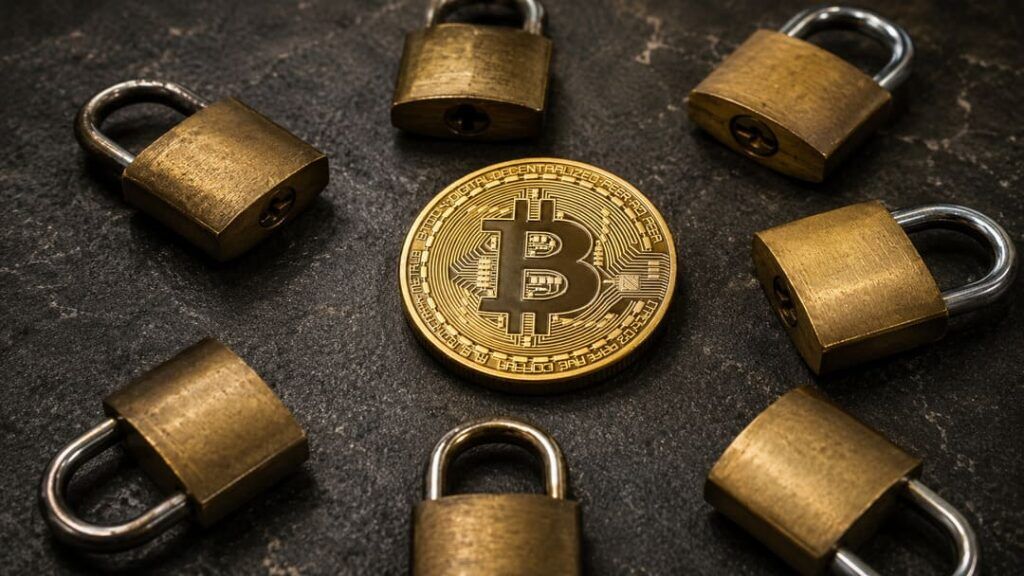
The crypto theft task force proposal in Washington lands at a moment when crypto betting users are thinking beyond speed. Fast deposits still matter, but the bigger question is becoming whether wallets, exchanges, sportsbooks, and recovery systems can protect users when something goes wrong.
For the best crypto sportsbooks, crypto safety is not an abstract policy debate. Bitcoin, USDT, Solana, and other digital assets can move money fast, but fast payments also leave less time to catch mistakes. One wrong wallet address, fake app, hacked exchange login, or phishing link can turn a simple deposit into a costly loss before a bettor knows what happened.
The Crypto Theft Task Force Push Is About Coordination
Reps. Lance Gooden of Texas and Josh Gottheimer of New Jersey introduced the Federal Cryptocurrency Theft Enforcement and Coordination Act, a bipartisan House proposal designed to create a Federal Cryptocurrency Theft Task Force inside the Department of Justice.
The proposed task force would bring together the DOJ, Department of Homeland Security, Treasury, and federal law enforcement agencies to coordinate investigations, support victims, and build a clearer playbook for crypto theft cases. The lawmakers also pointed to American consumers reporting more than $11 billion in crypto-related losses last year.
For betting users, the signal is direct: crypto security is moving from private habit to public policy concern. The government is not just debating token classifications or exchange rules. It is looking at what happens when digital assets are stolen and victims need a coordinated response.
Crypto Betting Has a Wallet Problem Hiding Behind Speed
Crypto betting has often been sold around speed. Deposits can be faster than cards. Withdrawals can move quicker than checks or wires. Some users like the privacy of not entering card details at every sportsbook cashier.
That story is incomplete. BMR’s crypto betting banking guide makes clear that bettors still need to understand wallet addresses, transaction confirmations, withdrawal limits, fees, and platform rules before moving funds.
The hidden risk is that crypto payments can feel simple right until a mistake happens. A bettor who sends funds to the wrong address, uses the wrong network, or trusts a fake support message may not have the same reversal options available with traditional banking.
That changes how bettors should evaluate a sportsbook. Fast cashier claims are not enough. Users need to ask whether the operator gives clear deposit instructions, visible network labels, real support channels, and transparent withdrawal rules.
Betting Users Face More Than One Kind of Theft Risk
Crypto theft does not always look like a dramatic exchange hack. For everyday bettors, the more realistic danger may be smaller and more personal: phishing links, fake wallet apps, impersonated support agents, clipboard malware, SIM-swap attacks, or rushed transfers to the wrong destination.
That is why Bitcoin starter guide matters for first-time crypto bettors. Buying Bitcoin is only one step. The safer habit is learning how to use a personal wallet, verify addresses, test small transfers, and keep exchange accounts protected.
| Risk Area | What Bettors Should Check |
|---|---|
| Wallet address mistakes | Confirm the full address before sending funds |
| Wrong network transfers | Match the sportsbook’s listed network exactly |
| Fake support messages | Use only official sportsbook contact channels |
| Exchange account access | Turn on strong authentication and avoid reused passwords |
| Withdrawal rules | Review limits, timing, and verification before depositing |
The bill does not remove those personal responsibilities. But it does show that lawmakers see crypto theft as a problem that individual users should not be left to navigate entirely alone.
Stablecoins Reduce Price Risk, Not Security Risk
Stablecoins have become more attractive for bettors who want crypto payment speed without Bitcoin-style price swings. USDT and other dollar-linked assets can make sense when a user wants the value of a deposit or withdrawal to stay steadier across a betting session.
But stablecoins do not erase operational risk. The Bitcoin vs USDT guide shows why network selection matters so much. USDT can exist on multiple chains, and sending it through the wrong rail can create serious problems.
That is the part many users underestimate. Stable value is not the same as safe transfer behavior. A bettor can avoid volatility and still lose funds through a bad address, unsupported chain, scam link, or poorly understood cashier instruction.
The crypto theft task force conversation should make that distinction easier to explain. Policy can target criminals and improve coordination, but users still need practical discipline every time they move funds.
Payout Trust Is Becoming a Safety Metric
A sportsbook’s safety profile is not only about whether it pays. It is also about how clearly it manages the path between account balance, withdrawal request, operator approval, and blockchain transfer.
The payout speed benchmarks show that crypto withdrawals can be fast after approval, but delays still happen because of verification checks, network congestion, first-time reviews, wrong coin selection, and cashier batching windows.
That makes payout transparency part of wallet safety. If a bettor does not know when funds are approved, which coin will be used, what network applies, or whether extra verification is required, the user may make rushed decisions. Rushed decisions are where crypto mistakes often happen.
The strongest crypto sportsbooks will not simply advertise speed. They will explain process. They will show clear cashier instructions, maintain responsive support, flag network risks, and make withdrawal rules easy to understand before users deposit.
The Next Test Is Whether Protection Catches Up With Adoption
The crypto theft task force proposal reflects a broader shift in how digital assets are being discussed. Crypto is no longer only a trading market. It is a payment method, a sportsbook banking option, a stablecoin rail, and, for some users, a regular part of online gambling.
That wider use raises the stakes. More adoption means more targets. More targets mean more scams. More scams mean the industry must prove that speed and convenience do not come at the cost of user protection.
For crypto betting users, the takeaway is practical. Do not judge a sportsbook only by deposit speed, bonus size, or coin list. Judge it by withdrawal clarity, support quality, wallet instructions, payout history, and how much room it leaves for avoidable mistakes.
The crypto theft task force bill may not change sportsbook cashier pages overnight, but it pushes the right issue into the open. Crypto betting’s next credibility test will be whether users can move money quickly while still feeling protected when the risks become real.
Crypto Theft FAQ's
What is the crypto theft task force proposal?
It is a bipartisan House proposal that would create a Federal Cryptocurrency Theft Task Force inside the Department of Justice to coordinate investigations, support victims, and improve the federal response to crypto theft.
Why does this matter for crypto betting users?
Crypto bettors move funds through wallets, exchanges, and sportsbook cashiers. Theft, phishing, wrong-network transfers, and fake support messages can affect real bankrolls, especially when users rush deposits or withdrawals.
Does the bill make crypto sportsbook payments safer immediately?
No. The proposal would improve federal coordination if passed, but bettors still need safe habits now: verify wallet addresses, match networks, use secure accounts, and read withdrawal rules before depositing.
