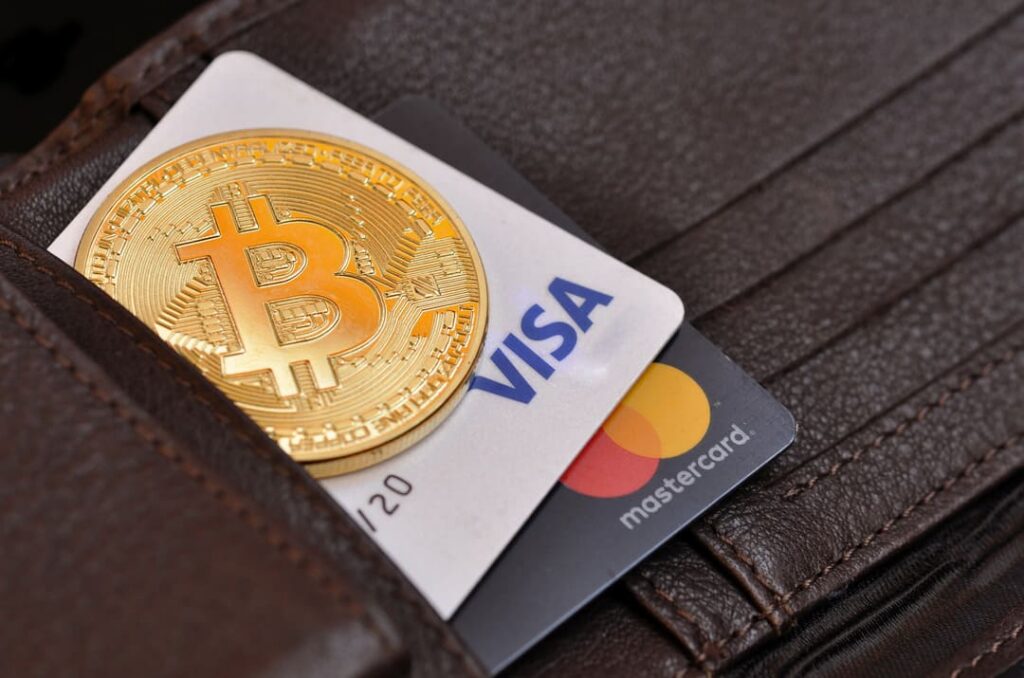
Crypto payments are no longer a niche cashier feature for bettors who already live inside wallets and exchanges. They are becoming a serious sportsbook battleground because U.S. bettors increasingly expect faster deposits, stablecoin options, and withdrawal systems that feel closer to modern digital finance than old-school banking.
That shift matters for players comparing regulated sportsbook apps with best crypto offshore sportsbooks, because crypto is moving from an offshore convenience into a mainstream payment expectation. If sportsbooks cannot answer that demand clearly, crypto-friendly competitors will keep owning one of the most important parts of the betting experience: the cashier.
Crypto Is Becoming a Customer Acquisition Tool
Paysafe, based in Jacksonville, Florida, has put hard numbers behind a trend many operators already suspected. Its crypto payments research found that 83% of U.S. bettors are interested in using cryptocurrency to fund online sportsbook wagers when permitted.
That is not a small curiosity segment. It points to a market where crypto deposits could influence which sportsbook a bettor chooses, how often they return, and whether they trust the cashier enough to keep a balance active.
The same research found that 64% of active U.S. bettors own crypto. Interest is even stronger in major betting states and growth markets: 92% in New York and 88% in both Illinois and Florida showed appetite for crypto deposits. In Colorado and Wyoming, where crypto deposits are explicitly permitted, 59% and 45% of bettors respectively said they had already funded bets with digital assets.
The betting takeaway is straightforward: crypto is not just a payment method. It is becoming a retention weapon.
The Cashier Is Where Sportsbooks Win or Lose Trust
Sportsbook marketing usually focuses on bonuses, odds boosts, same-game parlays, and live betting features. Bettors, however, often judge a sportsbook by a simpler test: can they get money in and out without friction?
That is where crypto has obvious appeal. Deposits can feel faster. Stablecoins can reduce price swings compared with bitcoin. Withdrawals may avoid some delays tied to cards, bank transfers, or older payment rails.
But speed alone is not enough. Bettors still need to understand verification, wallet accuracy, network choice, bonus restrictions, and withdrawal approval windows. BMR’s sportsbook banking safety checklist is useful because many cashier problems come from mismatched details, incomplete KYC, bonus restrictions, or avoidable user errors.
For operators, this is the new test. A crypto cashier that feels fast but poorly explained can create more complaints than loyalty. A well-built cashier can turn deposits into confidence.
Stablecoins Could Change the Betting Payment Conversation
Bitcoin remains the headline coin for many bettors, but stablecoins may be the more practical long-term sportsbook tool. A bettor who deposits USDT or USDC is usually trying to keep bankroll value steady while still using crypto rails.
That matters because sportsbook balances are supposed to support betting decisions, not expose players to price swings before a game even starts. Stablecoins can make crypto payments feel closer to digital dollars, which is why operators and payment processors are watching them closely.
Still, stablecoins are not risk-free. Bettors must choose the right network, confirm wallet compatibility, and understand whether a sportsbook supports the specific token and chain being used. The difference between bitcoin and USDT affects volatility, fees, speed, and error risk. Readers comparing rails should review BMR’s guide to Bitcoin vs USDT for sports betting before treating all crypto deposits as interchangeable.
The biggest mistake is assuming every crypto payment works the same way. In sportsbook banking, the rail matters.

Regulation Is Slowing What Bettors Already Want
The U.S. market is complicated because demand and permission are not moving at the same speed. Bettors may want crypto deposits, but sportsbook payment rules still depend heavily on state-level regulation.
Colorado and Wyoming offer a glimpse of what happens when crypto deposits are permitted. The usage numbers there suggest that once bettors are given the option, a meaningful share will actually use it. New York, Illinois, and Florida show that demand can be high even where access remains limited or conditional.
This creates pressure from multiple directions. Bettors want faster cashier options. Sportsbooks want better conversion and retention. Payment companies want to build crypto-to-cash rails. Regulators want to understand fraud, consumer protection, responsible gambling, and transaction monitoring before opening the door too widely.
For players, this means crypto availability should never be assumed. Before creating an account or depositing, bettors should understand how a sportsbook is evaluated for trust, banking reliability, and withdrawal behavior. BMR’s offshore sportsbook rating methodology explains why payout speed, transparent rules, and support quality matter as much as deposit convenience.
What Bettors Should Compare Before Using Crypto
Crypto can improve the sportsbook cashier, but it can also punish careless users. The payment method is only one part of the workflow. The full experience includes verification, bonus rules, deposit posting, withdrawal approval, blockchain delivery, and dispute handling.
| Factor | Why It Matters for Crypto Bettors | Common Mistake |
|---|---|---|
| Verification | KYC delays can slow first withdrawals even when crypto delivery is fast. | Waiting until a big cashout to verify identity. |
| Coin or token choice | Bitcoin, USDT, Litecoin, and other rails can differ by speed, volatility, and fees. | Using the wrong network or unsupported asset. |
| Bonus terms | Promos may restrict withdrawals until rollover is complete. | Assuming a crypto deposit makes bonus funds instantly withdrawable. |
| Payout workflow | Approval time and blockchain delivery time are separate clocks. | Calling a payout late before checking whether it was approved or sent. |
This is where bonus hunters need discipline. Crypto sportsbook bonuses can look attractive, but rollover rules, minimum odds, max cashout language, and method restrictions still matter. Before claiming a crypto offer, players should understand how bitcoin sportsbook bonus rules affect withdrawal timing.
Payout speed deserves the same caution. Crypto is often faster after approval, but approval itself can still take time if the account is unverified, the withdrawal is large, or the sportsbook needs extra review. BMR’s sportsbook payout speed benchmarks help separate payment delivery from sportsbook approval delays.
The Next Battle Is Faster Payments With Better Guardrails
The next phase of crypto sportsbook adoption will not be decided only by whether bettors want it. The harder question is whether operators can deliver fast payments without creating avoidable fraud, compliance, and dispute problems.
That is why the offshore market remains relevant. Offshore sportsbooks helped normalize crypto betting because they moved faster than many regulated U.S. platforms. But as mainstream bettors ask for similar speed, regulated operators and payment processors will have to decide whether crypto belongs in the cashier as a standard option, a restricted option, or a state-by-state experiment.
Players should stay practical. A good crypto sportsbook experience is not just a fast deposit button. It is clear coin support, accurate wallet instructions, fair bonus terms, realistic withdrawal timelines, and support that responds when something goes wrong.
If a payout dispute does happen, documentation matters. Bettors should keep transaction IDs, screenshots, chat logs, bonus terms, and withdrawal timestamps, then use a formal sportsbook complaint process if the issue cannot be resolved directly.
Crypto payments are becoming the next U.S. sportsbook battleground because they touch the part of betting that every player eventually cares about: moving money. The winners will not simply be the books that add bitcoin or stablecoins first. They will be the operators that combine crypto speed with transparent rules, realistic compliance, and payout systems bettors can actually trust.