
Only hours after Minnesota Governor Tim Walz signed a law banning prediction markets—platforms that have become a popular alternative to offshore sportsbooks for U.S. players—the Commodity Futures Trading Commission (CFTC) filed a lawsuit against the state, arguing the law was unconstitutional.
Itching for a Fight
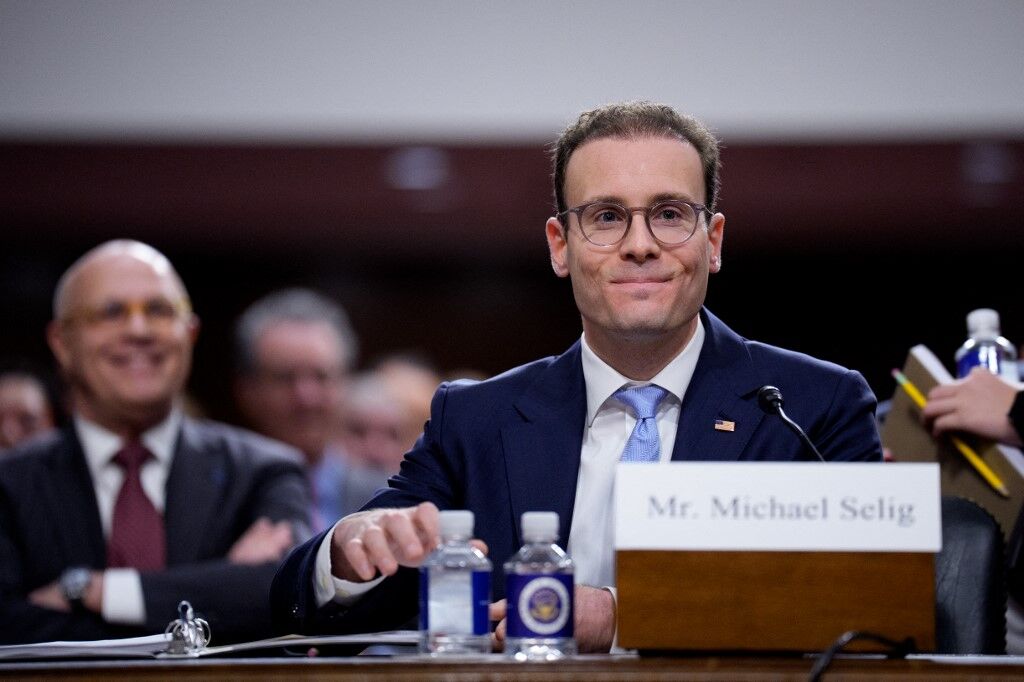
The recently installed CFTC chairman, Michael Selig, has publicly stated his agency would join the legal squabble between prediction markets offering sports event contracts and the states trying to ban them. Therefore, it was not surprising that when Minnesota became the first state in the nation to ban prediction markets, Selig had already filed a lawsuit against the North Star State.
The law is set to take effect on August 1, 2026, and prohibits any platform offering contracts related to sports, elections, wars, and other future events that are inconsistent with the traditional commodities commonly associated with these markets. Selig wants it stopped before it ever gets enacted and is seeking a preliminary injunction.
“This Minnesota law turns lawful operators and participants in prediction markets into felons overnight,” Chairman Selig said in a statement. “Minnesota farmers have relied on critical hedging products on weather and crop-related events for decades to mitigate their risks. Governor Walz chose to put special interests first and American farmers and innovators last.”
Ironically, Minnesota has not legalized mobile sports betting; therefore, no financial harm is being done, but the state wants autonomy over which companies operate within their boundaries. The sponsor of the bill, Minnesota Rep. Emma Greenman, believes the legislature has a moral imperative to protect the welfare of its constituents.
“We as a state should decide how best and what regulations we think should attach to gambling, to protect public safety, to protect our kids,” said Greenman.
This is just the latest chapter in the battle between the prediction markets, joined by the CFTC, and the states over jurisdictional authority.
Turf Wars
Prediction markets offering sports event contracts have provoked the ire of gaming commissions throughout the nation. They continue to operate with relative impunity despite paying no taxes to all 50 states in which they conduct business. Moreover, the prediction markets are also siphoning off an ever-increasing portion of the betting revenue that would ordinarily be going to authorized mobile sportsbooks that do pay taxes and licensing fees to the states.
Historically associated with commodity contracts trading in gold, silver, pork bellies, and a variety of other speculative categories, prediction markets have become much more recognized by the average American for their sports event contracts, which closely resemble the betting options found at a typical sportsbook.
The states have argued that they must pay to play, while prediction market leaders like Kalshi and Polymarket counter that they are licensed under the federal authority of the Commodity Futures Trading Commission, which means they can operate throughout the nation, paying taxes and fees only to the federal government.
This has sparked a legal turf war and a series of conflicting judicial rulings at the federal, state, and appellate levels. However, Minnesota has set a precedent by becoming the first state to formally outlaw prediction markets, which now sets the stage for more legal fireworks and, perhaps, a US Supreme Court showdown.


