Residents in Queens are once again taking legal action against the New York State Gaming Commission, challenging its approval of a casino license for the Metropolitan Park development, amid broader conversations about trusted offshore betting sites in the online gambling space.
Residents Appealing the Decision
Queens residents plan to refile their lawsuit as soon as this week after a judge dismissed their earlier petition filed in late March. This time, they intend to argue that their original filing in New York County was appropriate, as that is where the Gaming Commission made its decision. At the same time, they are preparing a separate filing in Queens County, adding further context to broader regulatory frameworks such as U.S. sports betting by state.
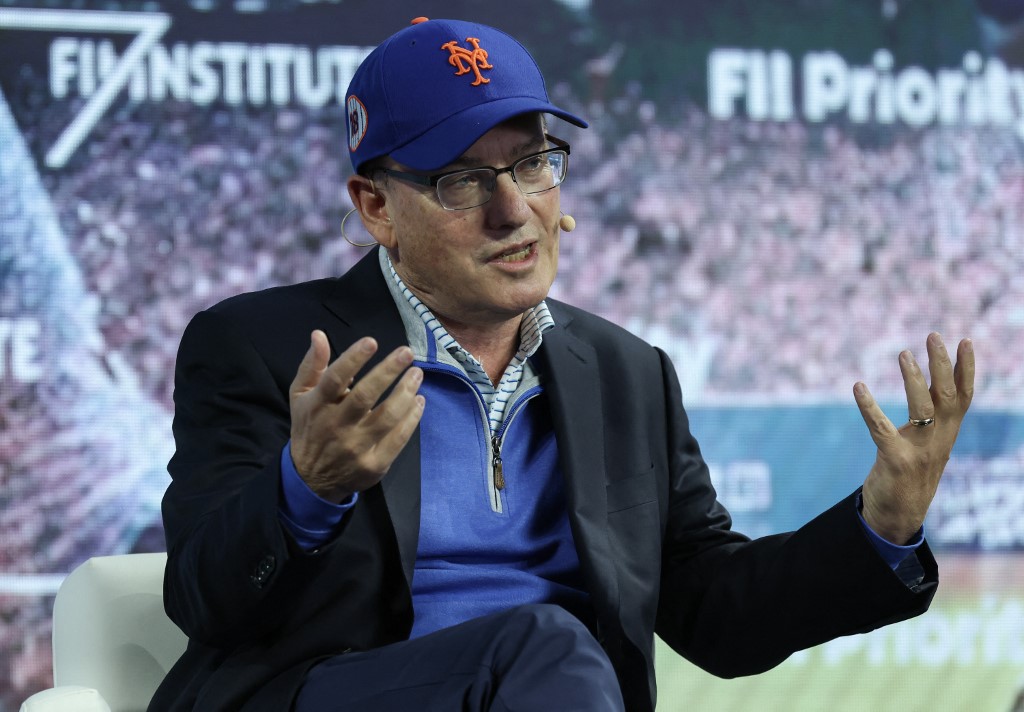
The initial lawsuit took aim at the license granted to Queens Future LLC, the development company behind the proposed $8 billion casino project jointly backed by New York Mets owner Steve Cohen and Hard Rock International.
On March 27, Judge Nicholas W. Moyne threw out the case, saying it had been filed in the wrong county. Not long after, he stepped away from the matter, noting a minor social connection to someone involved that could raise questions about impartiality.
The residents pushing the lawsuit argue that the dismissal was a misapplication of state law. They are now trying to reopen the case through a new filing along with a motion asking the court to reconsider.
Concerns Regarding the Hearing Process
Of paramount importance is how the public hearings tied to the casino approval were handled. According to court documents, hearings held last September limited how much time opponents had to speak and reduced overall speaking opportunities.
Moreover, there were also concerns that non-English-speaking residents and people with work obligations were not given fair access to participate in the process.
Bernadette McCrann, a Flushing resident leading the lawsuit, said she saw issues firsthand during a September 16th hearing. She described how early lines allowed supporters to secure speaking slots before others had a chance. She also said key updates about the hearings weren’t consistently shared in languages other than English.
“This is a working-class, immigrant community, and people are concerned about what a casino could mean for the neighborhood,” McCrann said.
A survey conducted last year found that 83.5% of Asian American respondents in Flushing said they either didn’t know about or couldn’t take part in the advisory process.
Midway through these developments, broader gambling industry news coverage has also highlighted growing scrutiny over how casino licensing processes are conducted in major U.S. markets.
The lawsuit also raises questions about possible conflicts of interest among members of the Community Advisory Committee. It accuses the Gaming Commission of not properly vetting and verifying the casino’s backers as required by law.
Developers Signal Strong Support
Supporters of the project see things differently. Karl Richett, a spokesperson for the massive casino complex dubbed Metropolitan Park, said the proposal went through what he described as an unusually open and transparent approval process with broad backing.
Richett pointed to 89% support from various levels of government, including multiple Queens community boards, the borough president, and both city and state lawmakers.
He also emphasized public participation, noting that 127 people spoke at Community Advisory Committee hearings—more than in other casino approval processes. He said most speakers at those hearings were in favor of the project, with roughly 85% supporting it during one session.
In conclusion, supporters argue that the process reflects a balanced and regulated framework aligned with responsible sports betting principles, particularly in how public input and oversight were incorporated throughout the approval stages.