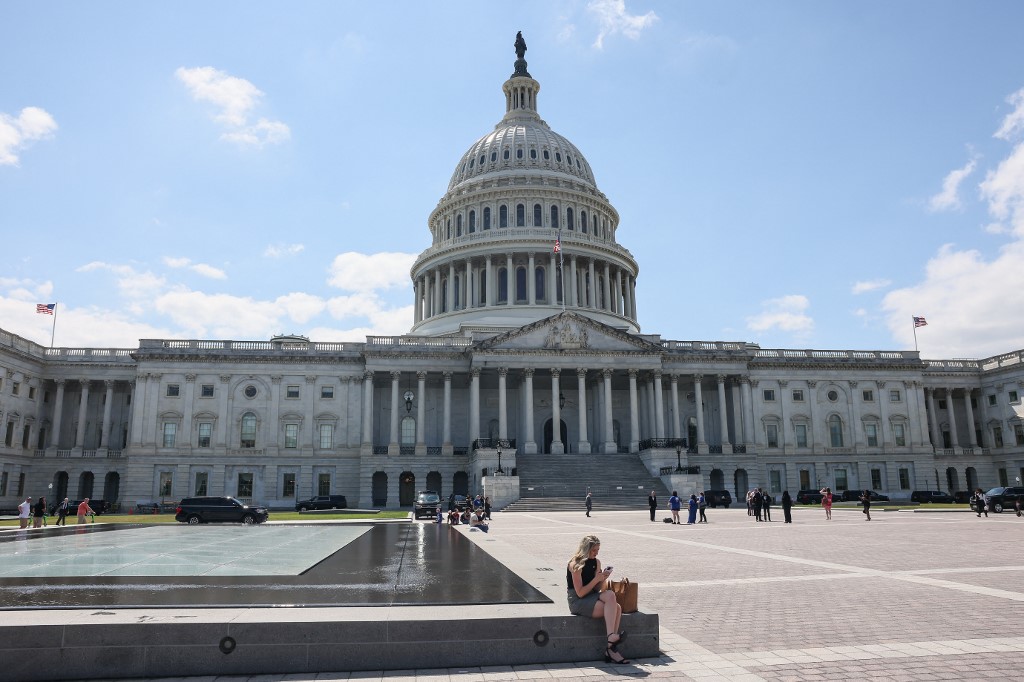
Bipartisan support has fostered a Senate bill that would ban prediction markets from offering what are essentially sports betting contracts on their platforms. This bill would clarify the delineation between state and federal authority vis-à-vis prediction platforms.
Senate Sides With the States
Bipartisan support is rare these days, but California Democratic Senator Adam Schiff and Utah Republican Senator John Curtis have co-sponsored a bill that would take aim at prediction markets offering sports event contracts.
The proposal would change the Commodity Exchange Act to prohibit platforms regulated by the agency from offering contracts linked to sports events or casino-style outcomes.
It also makes clear that federal law shouldn’t override states’ authority to regulate or ban these types of products. This reflects concerns from state regulators and tribal gaming groups, who argue that contracts tied to sports events should be treated under existing state gambling laws.
Senator Schiff said these products are essentially sports betting under a different label, arguing that they avoid state-level consumer protections and taxes while also infringing on tribal exclusivity agreements. He pointed to more than $100 million traded on a March Madness winner market and over $1 billion on the Super Bowl as evidence.
The growth is also visible at the platform level. Kalshi has reported more than $52 billion in total trading volume since launching sports markets in 2025, with roughly 86% of that activity tied to sports event contracts.
Prediction Markets Refuse to Lose
Prediction markets were historically known as an exchange where speculators could trade on commodities such as gold, silver, pork bellies, or just about anything that has a contract whose value could rise or fall until a specified termination date.
However, platforms like Kalshi began offering sports betting contracts shortly before the 2025 Super Bowl, which became so popular that they, and several others in their industry, have continued to do so, despite having no state licenses or paying any taxes to any of the 50 states in which they operate.
CFTC Authority Fuels Legal Defense
Despite the issuance of cease-and-desist orders by state gaming regulators and the subsequent court cases brought by state attorneys general against the prediction markets, the defendants have successfully argued that, as licensees of the Commodity Futures Trading Commission (CFTC), a federal agency with authority that supersedes state law, they are permitted to operate freely across the nation, unaffected by state regulations.
Michael Selig Shifts CFTC Tone
The issue has been a hot-button topic, and it has only been exacerbated by the newly installed CFTC Chairman, Michael Selig, who initially signaled he would maintain the agency’s laissez-faire attitude toward the entire subject and let the courts decide.
However, that is no longer the case, as Selig has been increasingly vocal regarding his support for prediction markets to offer sports event contracts under his agency’s protection. In a presentation Selig gave earlier this year, he expounded upon his position.
“It’s time for clear rules and clear understanding that the CFTC supports lawful innovation in these markets,” Selig said. “Consistent with my commitment to fostering responsible innovation in crypto asset markets, I will continue to support the responsible development of event contract markets and the important role they play in the broader financial system.”