Key Takeaways
- Federal bill targets sports contracts on prediction markets
- Lawmakers question overlap between betting and derivatives
- Proposal could reshape regulation of platforms like Kalshi
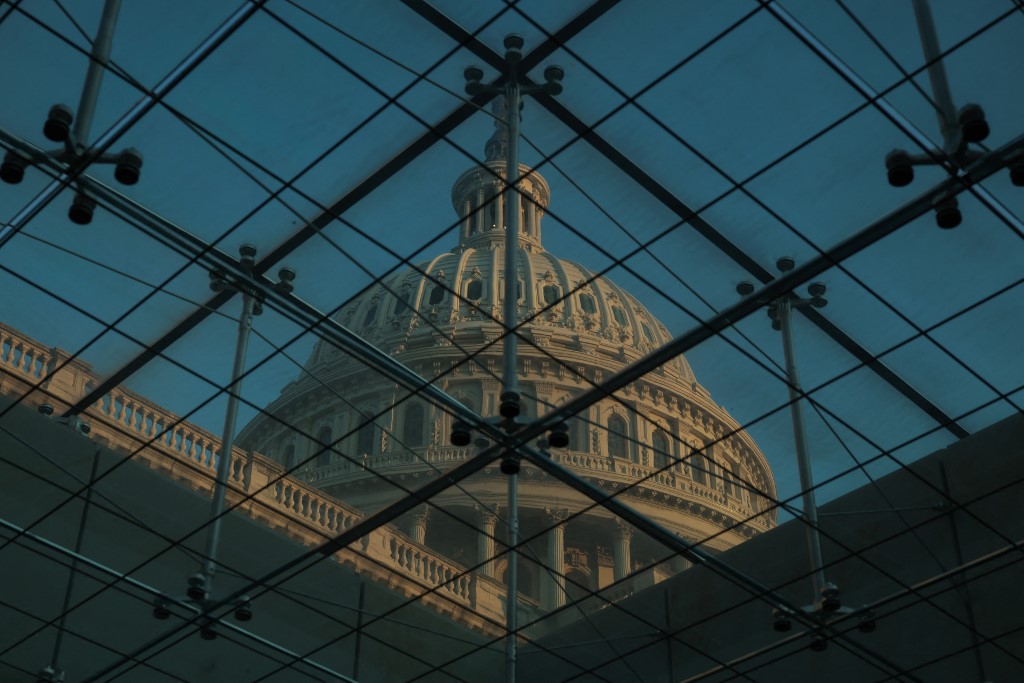
A new federal bill has been introduced that would prohibit sports-related betting activity on prediction market platforms, marking the latest development in the ongoing debate over how these markets should be regulated. The proposal seeks to clarify the legal boundaries between traditional sports wagering and federally regulated financial contracts.
Legislative Proposal Targets Sports Contracts
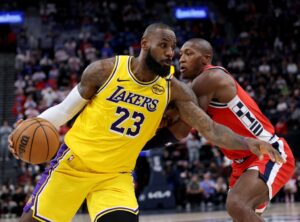
The bill focuses specifically on contracts tied to sporting events, aiming to prevent prediction markets from offering products that allow users to speculate on game outcomes. Lawmakers behind the proposal argue that such contracts function similarly to sports bets, despite being structured as financial instruments.
Supporters of the bill contend that allowing these products creates a regulatory gap, where prediction market operators can offer betting-like experiences without adhering to the same rules applied to licensed sportsbooks.
The proposal would restrict these offerings at the federal level, potentially eliminating sports-related contracts from platforms currently operating under Commodity Futures Trading Commission (CFTC) oversight.
Debate Centers on Regulatory Classification
At the heart of the issue is a broader question about how prediction markets should be classified. Operators like Kalshi maintain that their products are derivatives contracts tied to real-world events, and therefore fall under federal commodities regulation rather than state gambling laws.
Critics, however, argue that when these contracts are tied to sports outcomes, they closely resemble traditional wagers. This has led to increased scrutiny from both state regulators and federal lawmakers.
The proposed legislation represents an effort to draw a clearer line between financial trading and sports betting, particularly as the two models continue to overlap.
Industry Implications and Market Impact
If enacted, the bill could significantly alter how prediction markets operate in the United States. Platforms that currently offer sports-related contracts may be required to remove those products, limiting their scope to non-sporting events such as economic indicators or political outcomes.
The proposal also has implications for the broader sports betting industry. Licensed operators, which are subject to state-by-state regulation, have raised concerns about competing with platforms that operate under a different set of rules.
By addressing sports contracts specifically, lawmakers appear to be targeting one of the most contested areas of prediction market expansion.
Broader Trend of Increased Scrutiny
The introduction of this bill aligns with a wider pattern of regulatory attention directed at prediction markets. Several states have already taken steps to challenge or restrict these platforms, particularly when their offerings resemble traditional gambling.
Recent actions in jurisdictions such as Nevada and Washington highlight the growing tension between state enforcement efforts and federal oversight. Courts are still working through key legal questions, including whether states have authority over federally regulated platforms.
The federal proposal adds another layer to this evolving regulatory landscape, signaling that policymakers are increasingly focused on defining the boundaries of this emerging sector.
Outlook for the Legislation
The bill’s future remains uncertain, as it will need to move through the legislative process before any changes take effect. Lawmakers are expected to debate the proposal’s scope, particularly regarding how prediction markets are defined and regulated.
Industry stakeholders will be closely monitoring developments, as the outcome could influence both compliance requirements and market opportunities.
Final Takeaways
The introduction of a federal bill to ban sports-related contracts on prediction markets underscores the growing debate over how these platforms should be regulated. By targeting sports betting specifically, lawmakers are attempting to address what they see as a regulatory gap between financial markets and gambling.
As discussions continue, the proposal may play a key role in shaping the future of prediction markets in the United States, particularly as legal and regulatory frameworks continue to evolve. This proposal is the latest form of scrutiny faced by predictions markets, with Kalshi facing a lawsuit in Washington state as well.