California Sports Betting Ballot 2026: Probability, Politics, and Legal Outlook
-
 Martin Green
- February 3, 2026
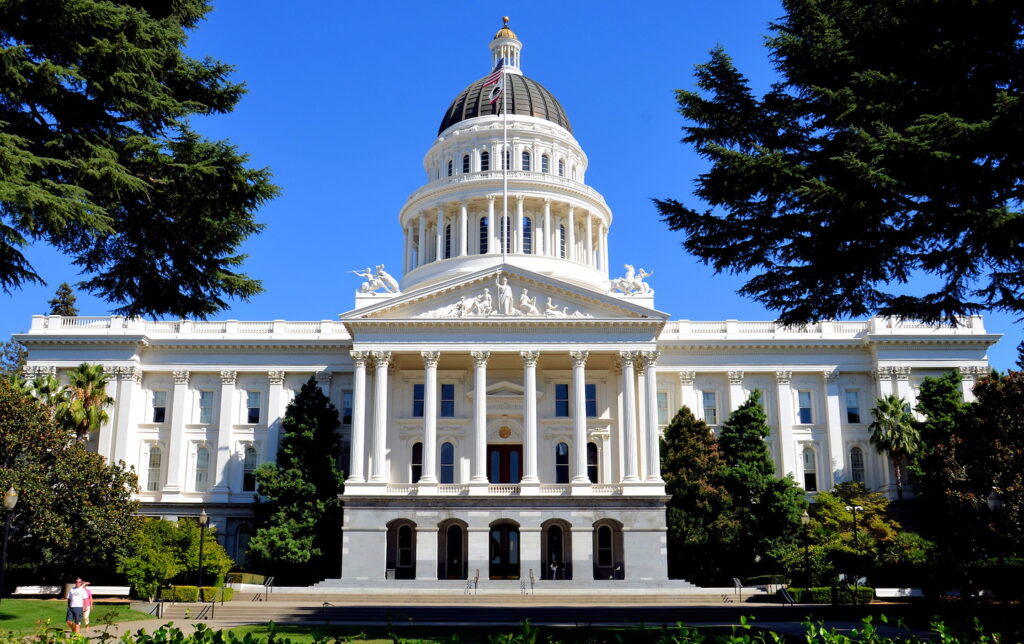
Sports betting remains illegal in California under current state law. After the landslide defeats of Prop 26 and Prop 27 in 2022, the path back to a statewide vote is still difficult—and highly dependent on whether tribal and commercial stakeholders can align on a single, credible plan.
This page tracks whether sports betting will make the November 2026 California ballot, the probability it qualifies, the odds voters approve it, and the deadlines and political conditions that matter most.
Quick Jump: 2026 Ballot Probability (BMR Projection) | Current Legal Status | Ballot Timeline | Scorecard | Polling | Ballot Potential | Changes Required | FAQ | Related Guides
2026 California Sports Betting Ballot Probability (BMR Projection)
Based on legislative activity, tribal positions, public polling, and industry filings, Bookmakers Review projects the following probabilities for those looking to bet on sports in California:
BMR Projection (Last Updated: January 2026)
- Chance sports betting appears on the 2026 California ballot: 38% (Uncertain)
- Chance voters approve sports betting if it reaches the ballot: 41% (Unfavorable)
How BMR models these probabilities
BMR’s projection is not a poll—it’s a structured forecast that blends:
- ballot-process feasibility (deadlines + signature hurdles)
- stakeholder alignment (tribal position vs operator position)
- voter trust signals (polling + 2022 rejection margins)
- public evidence of a unified campaign (initiative filings, messaging, funding readiness)
Current Status: Is Sports Betting Qualified for the 2026 California Ballot?
As of January 2026: there is no sports betting measure currently qualified for the November 2026 general election ballot.
Two separate things must happen before Californians can vote on sports betting in 2026:
- A measure must become eligible (enough valid signatures submitted and verified).
- Eligible measures then become qualified at the state’s qualification milestone (well before Election Day).
What to watch right now
- Initiative filings and withdrawals
- Public announcements of a unified tribal-led framework
- Evidence of a single campaign entity (not competing proposals)
CA Secretary of State — Qualified Ballot Measures
CA Secretary of State — Eligible Initiative Measures
Why California Is Harder Than Other States
California is not “late”—it’s structurally resistant to sports betting legalization because:
1) Tribal sovereignty creates multiple veto points
Any statewide sports betting model that looks “operator-led” tends to trigger strong tribal opposition—especially for statewide online betting.
2) The initiative process is unforgiving
California’s initiative pathway is time-sensitive, expensive, and signature-heavy. Even well-funded efforts can fail if they miss deadlines or face coordinated opposition.
3) Voter trust is damaged after 2022
Many voters associate sports betting with aggressive advertising, confusing messaging, and out-of-state influence after the 2022 campaign cycle.
2026 Ballot Timeline & Deadlines That Actually Matter
California ballot measures don’t appear because “momentum” exists—they appear because campaigns execute the process on time.
Step 1: Drafting + Title & Summary
A proposal must be submitted and receive official processing before signature gathering can realistically begin.
Step 2: Signature collection (the “make-or-break” phase)
Campaigns must collect enough valid signatures within the allowed circulation window.
Step 3: County verification → “Eligible” status
Counties verify signatures. If enough are valid, the measure becomes eligible.
Step 4: State qualification milestone
Eligible measures become qualified for the ballot by the state’s qualification checkpoint well ahead of Election Day.
Important: If a sports betting measure is not eligible/qualified by required deadlines, it cannot appear on the November 2026 ballot—no matter how much media coverage it gets.
CA Secretary of State — Suggested Deadlines for 2026 Election Cycle (PDF)
Signature Requirements (Why “Just File It” Doesn’t Work)
California requires very large signature thresholds to qualify initiatives—especially constitutional amendments.
Current statewide initiative signature requirements (California):
- Initiative Statute: 546,651 signatures
- Initiative Constitutional Amendment: 874,641 signatures
Sports betting proposals often involve constitutional questions and stakeholder compact issues, which can push proposals toward higher-complexity (and higher-signature) pathways.
Stakeholders & Support Scorecard (2026)
Below is BMR’s snapshot of who matters most—and how they typically behave on California sports betting.
2026 Support Scorecard (BMR Summary)
California tribal gaming coalitions (e.g., CNIGA + major tribes)
- Position: Opposed to operator-led online sports betting
- Influence: Very High
- Notes: Any 2026 path likely requires a tribal-led or tribal-approved structure.
National sportsbook operators (DraftKings, FanDuel, BetMGM, etc.)
- Position: Supportive only if statewide online betting is viable
- Influence: High
- Notes: Operators have publicly signaled they need tribal alignment after the 2022 defeats.
State legislative leadership
- Position: Mixed / low urgency
- Influence: High
- Notes: Sports betting is rarely treated as a top-tier legislative priority versus budget/housing/public safety.
Professional sports franchises (49ers, Lakers, Dodgers, etc.)
- Position: Mild support
- Influence: Medium
- Notes: Interested in partnerships, but not decisive without tribal alignment.
Public opinion
- Position: Skeptical / volatile
- Influence: Critical
- Notes: Voters can swing based on messaging, consumer protections, and who appears to benefit.
Polling & History: What 2022 Still Tells Us About 2026
The 2022 reality check
California voters rejected both major sports betting propositions in 2022 by extremely large margins. That matters because it sets a baseline: sports betting starts from behind in CA unless the next proposal looks materially different (model + messaging + safeguards).
What polling suggested before Election Day 2022
Pre-election surveys showed that support for sports betting—especially online models—was not stable and often lagged behind opposition.
What a 2026 Sports Betting Measure Could Look Like (Most Likely Scenarios)
If California sports betting returns in 2026, it probably fits one of these frameworks:
Scenario A: Tribal-led retail sports betting first (limited expansion)
- Betting permitted at tribal casinos (and possibly limited additional venues)
- Online component reduced, delayed, or structured through tribal control
- Most politically plausible, but may not satisfy major operators
Scenario B: Tribal-led statewide online model (operator “vendors,” not “owners”)
- A single tribal-controlled platform (or coalition governance model)
- Operators provide tech/odds/marketing under strict terms
- Stronger chance of tribal buy-in, but complex to build
Scenario C: Operator-led online model (least likely to pass in CA)
- Large statewide mobile sportsbooks with wide access
- Historically faces the strongest tribal opposition and voter skepticism
- Unlikely unless there is an explicit, public tribal partnership and a dramatically different consumer-protection story
What Would Need to Change for Sports Betting to Pass in 2026
For a 2026 ballot win to become realistic, these shifts usually need to happen:
- A single unified proposal (not competing initiatives)
- Tribal-led or tribal-approved governance structure
- Clear consumer protections (responsible gambling, dispute options, enforcement)
- Credible revenue story (earmarks voters believe, not just headline promises)
- Less toxic advertising cycle than 2022
- Early execution on process deadlines
Until those align, BMR keeps ballot odds in “uncertain” territory.
Bottom Line: California Sports Betting Ballot 2026
Ballot appearance: Uncertain
Voter approval (if it appears): Unfavorable
Main obstacle: tribal sovereignty + fractured stakeholder interests + voter distrust after 2022
If your goal is to track the legal path forward California sportsbooks—not rumors—focus on: initiative filings, coalition announcements, and deadline-driven progress.
FAQs: California Sports Betting Ballot 2026
Is sports betting legal in California right now?
No. California does not currently have state-regulated sports betting.
Will sports betting be on the November 2026 California ballot?
As of January 2026, there is no sports betting measure qualified for the 2026 ballot. Whether it appears depends on initiative progress and deadlines.
What’s the difference between “eligible” and “qualified”?
Eligible means enough signatures were verified and submitted. Qualified means the measure is officially placed on the ballot at the state’s qualification milestone.
How many signatures are required to qualify an initiative in California?
California initiative signature requirements depend on the type of measure (statute vs constitutional amendment). See the official signature thresholds here: Signature Requirements
Why do California tribes have so much influence over sports betting?
Tribal nations operate much of California’s legal gambling under compacts and view statewide online betting as a direct threat to exclusivity and long-term control of gaming expansion.
What happened in 2022 with Prop 26 and Prop 27?
Both sports betting measures failed by large margins, reinforcing voter skepticism and increasing the difficulty of future campaigns.
What model is most likely to pass if California legalizes?
Historically, the highest-probability pathway is a tribal-led model with strong consumer protections and a clear enforcement structure.
Related California Guides
- Best California Sports Betting Apps & CA Sportsbooks (2026)
- CA Sports Betting Apps Comparison (Full Review & Testing)
- California Sports Betting Bonuses (Verified Jan 2026)
- How to Bet on Sports in California (Step-by-Step)
- Crypto Deposits & Fast Payouts for California Bettors
- BMR Risk & License Assessment Report (International Sportsbooks)
- Responsible Gambling Help
- Dispute Resolution / File a Complaint
Sources & Update Policy
BMR updates this ballot tracker when any of the following occurs:
- a sports betting initiative enters circulation or is withdrawn
- signature verification milestones change eligibility status
- major tribal coalitions or operators publicly announce a unified framework
- credible polling shifts materially
- the Secretary of State updates eligible/qualified measure lists
Next scheduled review: Monthly (see editorial update policy)