Table of Contents

Credit/Debit Card Deposits at Offshore Sportsbooks: Declines, Fees, and Cash-Advance Traps

Using credit cards at sportsbooks

Cards are the most familiar way to fund a sportsbook — but they’re also the method most likely to trigger declines, extra fees, or surprise cash-advance charges (especially on credit cards).

This guide covers what to expect, how to avoid common issues, and what to do when your deposit fails.

Quick takeaways (read this first)

Debit cards are usually the better card option for sportsbook deposits.

Credit card deposits may be treated by some issuers as **cash advances** (fees + interest can start immediately).

Many sportsbooks allow card deposits but don’t support card withdrawals (or treat them as refund-style payouts).

If your card deposit fails, it’s often bank-side, not sportsbook-side (fraud filters, gambling restrictions, cross-border issues).

Credit vs. debit: what’s different for bettors?

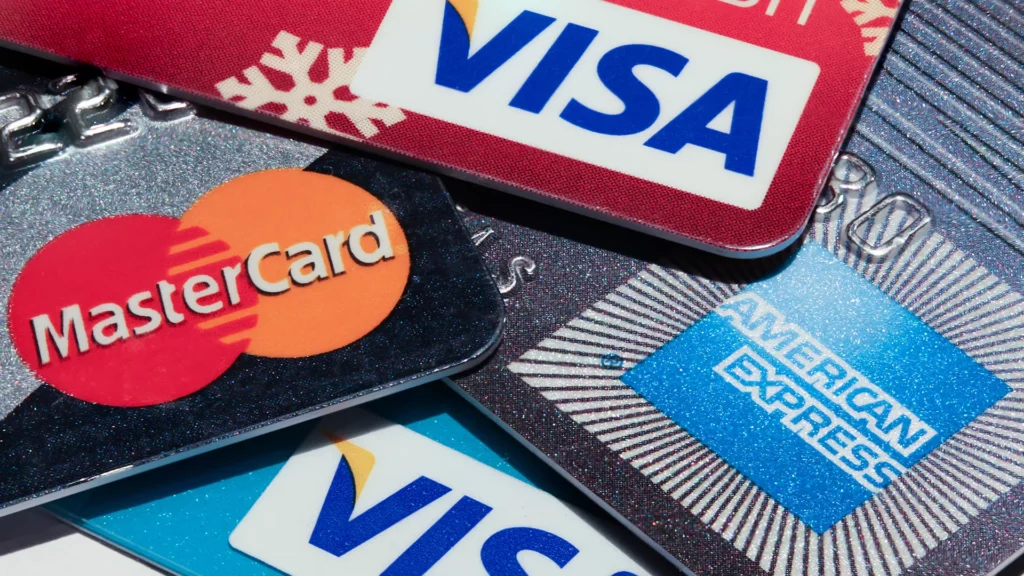
Debit cards (Visa/Mastercard debit)

Pros

  • Simple, instant deposits in many cases
  • Typically behaves like a purchase transaction

Cons

  • Can still be declined for fraud/risk reasons
  • Limits can be low
  • Some books charge card deposit fees (especially cross-border)

Credit cards (Visa/Mastercard credit)

Pros

  • Convenience (when it works)

Cons (the big ones)

  • May be treated as a **cash advance** by your issuer
  • Cash advances can include:
  • A **minimum fee** (often $10) even on small deposits
  • Higher APR
  • Interest from day one (no grace period on many cards)
  • Some issuers block or decline online gambling transactions outright
  • Bottom line: If you’re going to use a card, debit is usually the safer bet.

The “cash advance trap” explained (what causes the surprise fee)

Some credit card issuers classify sportsbook transactions as cash advances rather than purchases. That classification can trigger:

  • A cash advance fee (often a % of the amount, with a minimum dollar fee)
  • Immediate interest accrual
  • Sometimes additional issuer restrictions

How to spot it

Before you deposit, check your card’s:

  • Cash advance fee (flat minimum + %)
  • Cash advance APR
  • Whether gambling is listed as a cash advance category

How to avoid it

  • Prefer debit, crypto, bank transfer/e-check, or approved e-wallets (when available)
  • Make a small test deposit first
  • If you must use credit: call the issuer and ask how they code sportsbook deposits

Why card deposits get declined (most common causes)

Card declines generally fall into one of these buckets:

1) Bank blocks / gambling restrictions

Some banks or issuers block gambling merchants or “high-risk” categories.

Fix:

  • Call your card issuer and ask them to allow the transaction
  • Ask if the decline is due to merchant type, fraud prevention, or cross-border restrictions

2) Fraud filters (especially on first-time deposits)

Banks can flag a sportsbook deposit as suspicious.

Fix:

  • Try a smaller deposit amount
  • Retry after verifying with your bank
  • Avoid repeated rapid-fire attempts (that can increase fraud scoring)

3) Cross-border or “international transaction” flags

Offshore sportsbooks may process through international payment channels.

Fix:

  • Ensure international transactions are enabled
  • Check if your card has a foreign transaction block or limit

4) AVS / billing address mismatch

If your billing address doesn’t match what the issuer has on file, the deposit may fail.

Fix:

  • Confirm the address in your sportsbook profile matches your card statement
  • Double-check ZIP/postal code formatting

5) Low limits, daily caps, or insufficient funds

Cards and sportsbooks both have deposit limits.

Fix:

  • Confirm your card’s daily purchase limits
  • Confirm sportsbook minimum/maximum deposit limits
  • Split into smaller deposits only if allowed and you’re not triggering fraud flags

Fees & limits to watch (card-specific)

Sportsbook-side fees

Some online sportsbooks charge fees for card deposits, especially for cross-border transactions or certain processors.

Issuer-side fees

  • Cash advance fee and APR (credit)
  • Potential foreign transaction fees
  • Decline fees are rare, but issuer policies vary

Pro tip: Always check the cashier screen for the “you will be charged” amount before confirming.

Withdrawals: why “depositing with a card” doesn’t guarantee “withdrawing to a card”

Many sportsbooks accept cards for deposits but do not list cards as withdrawal methods. When they do, withdrawals can be treated as:

  • Refund-style credits
  • Bank transfers to the bank account linked to the card (varies)
  • Slower posting times than bettors expect

Best practice: Choose your deposit method based on how you plan to withdraw.

Card deposit troubleshooting checklist (fast)

If your card deposit fails:

1) Confirm your sportsbook profile name/address matches your card info

2) Try a smaller amount once (don’t spam attempts)

3) Check for international transaction restrictions

4) Call your bank:

  • Ask whether the transaction is blocked and why (merchant type vs fraud vs cross-border)
  • Ask whether it’s being treated as a cash advance

5) Switch methods if needed (crypto / bank transfer / e-wallet / prepaid)

Safety tips (simple but important)

  • Only enter card details on an **encrypted connection**
  • Don’t deposit on public Wi-Fi
  • Use **2FA** on your sportsbook account whenever available
  • Avoid sharing accounts or using payment methods not in your name

Responsible Gambling note

___

What changed in the last update (Last updated: 1/28/2026)

  • Revised safety tips list.

FAQs: Credit and Debit Cards

Debit is usually better for sportsbooks because it’s less likely to create cash-advance fees and interest.

That’s a classic sign of a cash advance minimum fee on a credit card.

Sometimes, but not always. Many sportsbooks don’t allow card withdrawals, and when they do it may behave like a refund.

About the Author
Martin Green Headshot
Editor-in-Chief
Martin Green is the Editor-in-Chief of Bookmakers Review and one of the most widely published iGaming and sports betting analysts in the industry. With more than 15 years of professional experience, Martin specializes in sportsbook reviews, state-by-state betting coverage, soccer handicapping, and online casino analysis.

Before entering journalism, Martin worked for five years at William Hill in London, gaining first-hand industry knowledge that now informs his betting insights and safety evaluations.

His reporting and analysis have been featured in major outlets including:
  • The Independent
  • USA Today
  • The Sun
  • Legal Sports Report
  • PlayUSA
  • SportsLine (CBS) — where he appears as "The Guru"
Education & Credentials:
  • BA in English Literature
  • MA in Creative Writing
  • Postgraduate journalism qualifications

Martin is known for producing data-driven betting recommendations, compliance-focused evaluations, and accurate legislative updates, all independently fact-checked for BMR’s readers. His work emphasizes safety, regulatory clarity, and transparent sportsbook assessments.