
Key Takeaways
- New legislation would establish a federal study on gambling addiction
- Research would examine the effects of online sports betting expansion
- A portion of existing sports betting tax revenue would fund the initiative
A bipartisan group of lawmakers has introduced legislation aimed at expanding federal research into gambling addiction and its connection to the rapidly growing sports betting industry.
The proposed Gambling Disorder Health Study Act would direct federal agencies to conduct a long-term analysis of gambling-related harms, treatment methods, and prevention strategies. The bill comes as legal sports betting continues to expand across the United States, creating renewed discussion around consumer protections and responsible gaming measures.
Federal Study Would Examine Gambling Harms
If approved, the legislation would launch a multi-year research initiative focused on understanding how gambling disorders develop and how they can be effectively addressed.
Researchers would investigate a wide range of topics, including risk factors associated with problem gambling, long-term health and financial consequences, and the effectiveness of existing treatment programs. Special attention would be given to online sports betting and the role digital wagering platforms may play in gambling-related harms.
The study would also be tasked with producing recommendations designed to improve prevention efforts and guide future policy decisions.
Annual Reports Required
Under the proposal, the Department of Health and Human Services would be required to provide Congress with yearly updates summarizing research findings and emerging trends.
These reports would offer lawmakers ongoing insight into how gambling behavior is evolving in regulated markets and whether additional safeguards may be necessary.
Supporters of the legislation argue that the growth of legal sports wagering has outpaced efforts to study its broader public health impacts, creating a need for more comprehensive federal oversight and research.
Existing Tax Revenue Would Fund Research
Rather than creating a new funding source, the bill would allocate a portion of existing federal sports betting tax revenue toward the research initiative.
Specifically, 10% of proceeds generated through the federal excise tax on legal sports wagering would be directed toward the study over a three-year period beginning in fiscal year 2027.
Backers of the legislation believe this approach would provide stable funding while ensuring that resources generated by the betting industry contribute to a better understanding of gambling-related risks.
Growing Focus on Responsible Gaming
The proposal reflects a broader national trend toward increased attention on responsible gaming and gambling addiction prevention.
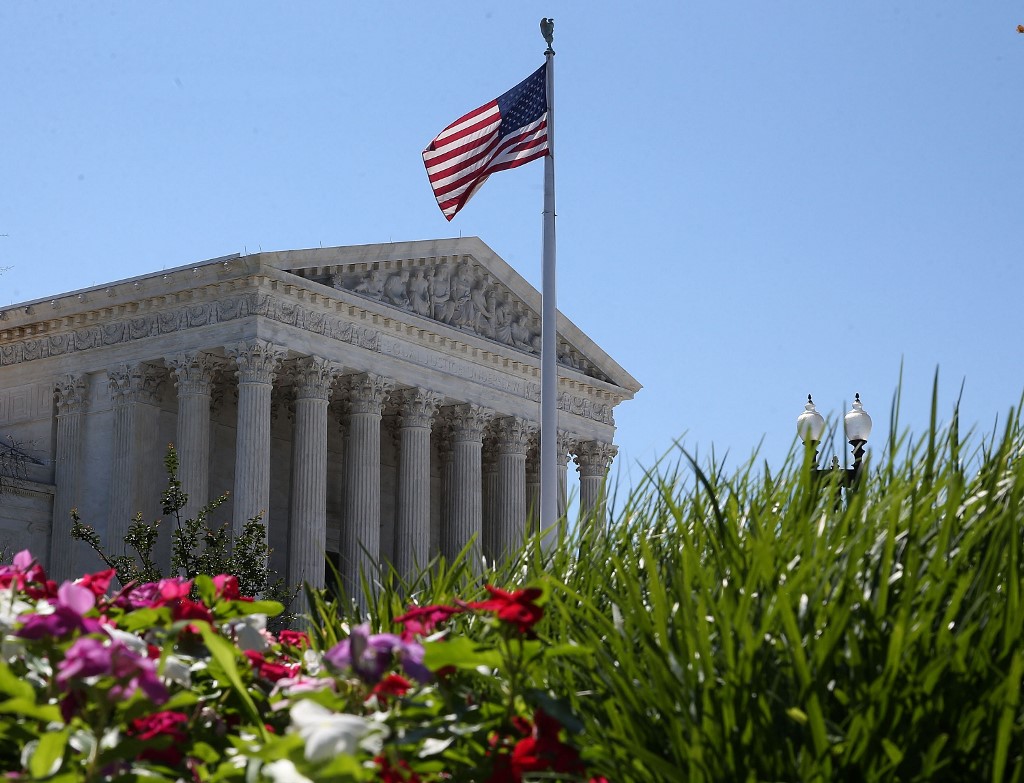
Since the Supreme Court struck down the Professional and Amateur Sports Protection Act (PASPA) in 2018, legal sports betting has expanded into dozens of states. While the industry has experienced significant growth, lawmakers and researchers continue to debate the long-term effects of widespread mobile betting access and increased gambling advertising.
Supporters say the federal study could help identify vulnerable populations, improve treatment accessibility, and provide more reliable data for policymakers evaluating future regulations.
Potential Impact on the Sports Betting Industry
The findings generated by the study could eventually influence responsible gaming standards across the regulated sports betting market.
Researchers are expected to evaluate how factors such as mobile wagering, promotional incentives, and advertising exposure may affect gambling behavior. The resulting data could help shape future consumer protection measures and industry best practices.
The initiative may also provide regulators with clearer evidence when assessing whether additional safeguards are necessary as legal betting continues to expand.
Final Takeaways
The Gambling Disorder Health Study Act represents one of the most significant federal research proposals focused on gambling addiction since the expansion of legal sports betting began. By dedicating resources to a long-term study, lawmakers hope to gain a deeper understanding of the causes and consequences of problem gambling while identifying effective prevention and treatment strategies.
If enacted, the legislation could play an important role in shaping future responsible gaming policies and helping regulators better understand the evolving sports betting landscape.